Presenters, Abstracts & Bios
Browse by surname
Filter by type
Poster
Abrassart, Marie
Marie Abrassart
Abstract & bio

Machine translation (MT) tools are increasingly used to bridge language barriers in healthcare settings, yet the clinical risks posed by their translation errors remain underexplored, particularly for allophone patients relying solely on MT-generated medical information. This preliminary study evaluates the quality and safety of MT output for patient-oriented medical documents through a structured, severity-graded error analysis. Using the TRASILT analysis grid, errors produced by four MT engines (Google Translate, DeepL, ChatGPT 5.6 Luna, Gemini 1.5 Flash) were coded across English and Dutch translations of oncology documents, and rated along four severity dimensions (accuracy, functionality, readability, conformity). Terminology and style errors accounted for most identified issues, but their relative weight varied by target language: English outputs were predominantly affected by stylistic errors, while Dutch outputs were dominated by terminology errors. Dutch translations also showed significantly higher error severity than English. By contrast, no significant differences emerged across MT engines in either error type or severity, though Google Translate was the only engine to produce critical-severity errors. These preliminary findings suggest that target language, more than MT engine choice, shapes the nature and severity of translation errors in medical texts, with direct implications for patients and medical staff.
About the author(s)
Marie Abrassart is a 24-year-old doctoral student at the University of Mons (UMONS), Belgium, in co-supervision with the Université Polytechnique Hauts-de-France (UPHF). She holds a Master’s degree in Translation, with a multidisciplinary specialization, obtained from the Faculty of Translation (FTI-EII) in 2025. She began her doctoral research in September 2025. Her doctoral project, titled “Performance, Relevance, and Perceptions of the Use of Neural Machine Translation and Generative Artificial Intelligence in Medical and Paramedical Settings”, examines the linguistic quality and clinical safety of neural machine translation and generative artificial intelligence output in medical and paramedical contexts, combining corpus-based error analysis with qualitative research into how healthcare professionals and allophone patients perceive and evaluate risks and qualities related with MT use in the healthcare sector. Her research interests include machine translation quality assessment, translation error typology, patient safety in multilingual healthcare communication, and equity in healthcare access.
Poster
Alamri, Mohammed Dhafer
Mohammed Dhafer Alamri and Gokhan Dogru
Abstract & bio


English–Arabic machine translation (MT) has shifted rapidly from rule-based and statistical approaches to neural MT and, more recently, large language models (LLMs). Yet it remains unclear whether evaluation practices have evolved at the same pace, particularly in medical translation. This systematic mapping review examines English–Arabic MT evaluation research published between 2000 and 2025 and maps the position of medical translation within the broader evidence base. A total of 153 eligible studies were coded by publication year, translation direction, text domain, system type, and evaluation method; 17 studies containing medical material were analysed in greater depth. The findings show substantial technological expansion, including a sharp rise in LLM-based systems after 2023, but a slower evolution in evaluation practice. Human evaluation remains dominant, while automatic evaluation is still heavily centred on BLEU. Medical MT represents a small and relatively recent research strand, is concentrated mainly in the English-to-Arabic direction, and relies largely on general-purpose systems. Clinical expertise, inter-rater reliability reporting, and risk-sensitive evaluation are limited. These gaps are particularly consequential where terminology, omissions, negation, or instructions may affect healthcare communication and patient safety.
About the author(s)
Mohammed Alamri is a lecturer in the English Department at the University of Bisha, Saudi Arabia, and a PhD researcher in Translation and Language Sciences at Universitat Pompeu Fabra, Barcelona. He holds an MA in Translation Studies from the University of Leicester. His research interests include medical translation, machine translation evaluation, large language models, translation technologies, terminology, and the evaluation of AI-assisted translation in healthcare contexts.
Dr. Gokhan Dogru is a professor of Translation Technologies at Pompeu Fabra University, Spain. His research areas include translation quality evaluation and parallel corpora preparation for machine translation and generative Al based translation as well as professional aspects of translation and localization. Coupled with his more than 15 years of experience as a translation professional, he is the founder of Translation Technologies Academy that provides online localization and translation technologies training for professionals, academics and students from all over the world through Localization School.
Poster
Alshamran, Sarah
Sarah Alshamran
Abstract & bio

Translation policy scholarship has long examined how institutions decide which languages to serve, through what mechanisms, and with what accountability, including court interpreting mandates, minority-language rights, and institutional translation regimes. Generative AI is now making comparable decisions inside public services, often without the scrutiny such decisions would normally receive. Government agencies are beginning to deploy AI translation directly for public-facing content, from benefits information to administrative guidance, reporting substantial gains in speed and cost with translation quality described as approaching that of expert human output. Yet this shift raises questions that the translation-policy tradition is well equipped to ask but has not yet systematically applied to AI. Who is accountable when AI-mediated translation underserves a language community? What oversight exists where none previously did? And do efficiency gains come at the expense of equity for the very communities such policies were designed to protect? This paper argues that translation-policy frameworks must be explicitly extended to cover AI-mediated public-service translation before adoption outpaces governance. Drawing on translation policy theory and current cases of public-sector AI deployment, it proposes a set of accountability questions institutions should be required to answer before adopting AI translation for public-facing services.
About the author(s)
Sarah Alshamran is an Assistant Professor of Translation Studies at Prince Sattam bin Abdulaziz University. She received her PhD in Translation Studies from the University of Birmingham in 2025, specialising in ideological translation, textual activism translation, and feminist critical discourse analysis (FCDA). Her current research focuses on translation policy and its intersections with artificial intelligence, translation economy, ideology, and intercultural communication, with particular attention to how institutional and technological decisions shape language access, narratives, and cross-cultural representation. Her recent work includes “Translation Policy, Cultural Ecosystems, and the Transformation of Global Reception: The Saudi Model,” presented at the International Conference Cultural Diversity and Funded Translations: Between Institutional Gatekeeping and the Market, Past and Present (April 20–22, 2026). She has also presented at the Women and the Politics of Translation in/of the Middle East conference and the EST Congress 2025, and has contributed to edited volumes on feminist and ideological translation. She is a member of the Saudi Translators Association and the Institute of Translation and Interpreting (UK).
Research
Alves, Diego
Diego Alves and Rozane Rebechi
Abstract & bio

This study examines how contextual information influences large language models (LLMs) in detecting idiomatic expressions (IEs) in English and evaluating their translation into Portuguese. Idioms pose challenges for NLP systems due to their non-compositional and context-dependent meanings. Using a subset of the OpenSubtitles corpus, sentences were annotated for IEs and evaluated under three conditions: no context, three preceding sentences, and five preceding sentences. A zero-shot prompt was applied to the open-weight model openai/gpt-oss-20b, and its predictions were compared against human annotations (Cohen’s kappa ≈ 0.50–0.55). Results show that adding context improves precision while reducing recall, indicating a more conservative classification strategy. The difference between three and five context sentences is minimal, suggesting that more distant contextual information has limited influence beyond the immediate context. The study also analyzes idiom translation into Portuguese using Google Translate, gpt-oss-20b, and human translations from OpenSubtitles. The results show that Google Translate achieves the highest proportion of adequate translations and exhibits an idiomaticity pattern more similar to that of the OpenSubtitles translations than the translations produced by gpt-oss-20b. Overall, this work highlights the role of context in LLM-based idiom detection and proposes a comparative framework for evaluating different strategies for translating idiomatic language.
About the author(s)
Diego Alves is a Postdoctoral Researcher in the Department of Language Science and Technology at Saarland University, working within the Collaborative Research Center on Information Density and Linguistic Encoding (CRC 1102). He holds a background in Comparative Literature and Computational Linguistics, and completed a Ph.D. in Computational Linguistics focused on using quantitative syntactic typological features to improve dependency parsing for low-resource languages. His research interests include multilinguality, linguistic variation, explainable AI with a focus on linguistic features, information theory to describe language complexity, and computational approaches to cultural and literary data. He has published in leading venues such as ACL and LREC, as well as specialized workshops including VarDial, and MWE. He has also been one of the organizers of the LaTeCH-CLfL Workshop on Computational Linguistics for Cultural Heritage, Social Sciences, Humanities and Literature since 2024.
Rozane Rebechi is a professor and researcher at the Federal University of Rio Grande do Sul (UFRGS), Brazil, where she teaches undergraduate and graduate courses and supervises undergraduate and graduate students. She holds both an M.A. and a Ph.D. in English Language and Literature from the University of São Paulo. Her main research interests include Translation Studies, Terminology, and Discourse, with a particular focus on the application of Corpus Linguistics methodologies. Rozane served as President of the Brazilian Association of Researchers in Translation (ABRAPT) from 2020 to 2022 and was an Associated Partner and member of the Management Board of the European Master’s in Technology for Translation and Interpreting (EM TTI) (2019-2024). She has published in national and international journals and edited volumes in the fields of translation and terminology. She was also a visiting researcher at the Department of Computer Science at the University of Sheffield, supported by a grant from the Brazilian Federal Agency for Support and Evaluation of Graduate Education (CAPES).
Poster
Bennison, Esmée
Esmée Bennison and Lynne Bowker
Abstract & bio
Translator educators want to help students make informed decisions about how to use translation tools in an ecologically responsible way, but there are few pedagogical resources available. The objective of this project is to develop an open educational resource (OER) that will raise awareness and encourage translation students to reflect on the environmental impact of translation tool use. At present, the model focuses on the use phase of tools (not the development phase), and for inspiration, it draws on elements of the Life Cycle Assessment (LCA) framework used in engineering (ISO 14040:2006). This presentation provides an overview of the process used to develop the OER, a description of its key contents, and the initial results of preliminary user testing.
About the author(s)
Esmée Bennison is a final-year student in the B.A.Sc. in Biomedical Mechanical Engineering program at the University of Ottawa in Canada. Esmée was member of the team that won the Life-Cycle Assessment competition at the Spring 2026 Design Day in the Faculty of Engineering. The winner of a 2026 Women Undergraduate Summer Student Research Award (WUSSRA) for women in STEM, Esmée spent the summer semester working as an undergraduate research assistant in the University of Ottawa Cardiovascular Mechanics Laboratory developing open-source tools to help other biomechanical researchers run simulations.
Lynne Bowker is Full Professor and Canada Research Chair in Translation, Technologies and Society at Université Laval. She is a certified translator (FR-EN) with OTTIAQ. She is the author of numerous works in the field of translation, including the open access book De-mystifying Translation (Routledge, 2023), and the recently published Plain Language for Translators (Routledge, 2026), as well as in translation technologies, including Computer-aided Translation Technology (University of Ottawa Press, 2002) and Machine Translation and Global Research (Emerald, 2019). She is currently the editor-in-chief of the journal Digital Translation (John Benjamins).
Research
Bowker, Lynne
Lynne Bowker and Monyka L. Rodriguez
Abstract & bio

AI-based tools are disrupting the translation profession. The European Language Industry Survey reports annually on the situation, but the landscape outside Europe has been less well documented. In November/December 2025, we distributed an online questionnaire to 2750 members of Quebec’s professional translators association (OTTIAQ) to learn about their experience in the age of AI. We received 175 completed responses plus additional partial responses. This paper summarizes the analysis of the qualitative findings of the survey, with a focus on topics related to the sustainability and evolution of the profession. Overall, the results indicate that Quebec translators are feeling the impact of AI at numerous levels (e.g. loss of work, mental health strain, less willing to supervise student work placements) and are employing a wide variety of strategies to sustain their careers (e.g. focusing on tasks that AI does less well, leaning into AI to expand languages and domains, developing specializations). These findings also point to areas where translator education programs and professional translators’ associations can offer support.
About the author(s)
Lynne Bowker is Full Professor and Canada Research Chair in Translation, Technologies and Society at Université Laval. She is a certified translator (FR-EN) with OTTIAQ. She is the author of numerous works in the field of translation, including the open access book De-mystifying Translation (Routledge, 2023), and the recently published Plain Language for Translators (Routledge, 2026), as well as in translation technologies, including Computer-aided Translation Technology (University of Ottawa Press, 2002) and Machine Translation and Global Research (Emerald, 2019). She is currently the editor-in-chief of the journal Digital Translation (John Benjamins).
Monyka L. Rodrigues is a Professional Researcher at Université Laval and Postdoctoral Researcher at Concordia University. She specializes in research methods, with work spanning the full research cycle, from study design to the communication of findings. Her research examines how people process information to navigate a complex world. She has collaborated with researchers across fields who need rigorous support for mixed research programs. Her work with Dr. Lynne Bowker focuses on the survey at the heart of this presentation.
Poster
Bracco, Marianna
Marianna Bracco
Abstract & bio
This contribution investigates cognitive effort in translation through eye-tracking, from translation revision to specialised text comprehension. The initial study examined the revision of Machine-Translated (MT) and Human-Translated (HT) texts by 26 trainee translators. Eye-tracking data showed that linguistically critical areas elicited greater cognitive effort than non-critical areas, while Master’s students displayed more deliberate revision behaviour than Bachelor’s students. These findings raised a broader question: to what extent does the linguistic complexity of the source text itself contribute to cognitive effort during translation?
The current PhD project addresses this question by investigating the comprehension of Hallidayan grammatical metaphors, particularly nominalised structures in English scientific discourse. Approximately 40 undergraduate translation students will read authentic scientific texts alongside AI-generated versions in which nominalisation, lexical density and logical explicitness are systematically manipulated while preserving propositional meaning. Eye-tracking measures will be combined with comprehension tasks and subjective difficulty ratings to assess processing effort. Drawing also on Maryanne Wolf’s concepts of deep reading and cognitive patience, the study will explore whether slow re-reading facilitates the comprehension of cognitively demanding structures. By integrating Translation Process Research, Systemic Functional Linguistics, reading science and Artificial Intelligence, the project aims to clarify how linguistic complexity shapes comprehension and translation processes.
About the author(s)
Marianna Bracco is a PhD researcher in Translation Studies with a research focus on cognitive effort, specialised discourse, and translation processes. Her work lies at the intersection of Translation Process Research, eye-tracking methodology, Systemic Functional Linguistics, reading science and Artificial Intelligence.
She holds a Master’s degree in Specialised Translation and Conference Interpreting from the University of Trieste, where she conducted experimental research on cognitive effort in the revision of machine-translated and human-translated texts. Using eye-tracking methodology, her research investigated how linguistic complexity and translator expertise influence revision behaviour and cognitive processing. This work forms the basis of her current research trajectory, which shifts the focus from translation revision to the comprehension of specialised texts.
Her PhD project investigates the cognitive processing of Hallidayan grammatical metaphor, particularly nominalisation in English scientific discourse. Through eye-tracking experiments and controlled AI-assisted text manipulation, she examines how different degrees of linguistic complexity affect reading behaviour, comprehension, and subsequent translation performance. Her research also draws on concepts from reading science, including deep reading and cognitive patience, to explore the role of reflective reading strategies in processing specialised discourse.
Alongside her academic research, she has gained professional experience at the European Parliament’s Directorate-General for Translation (DG TRAD) in Luxembourg, where she worked on projects related to multilingualism, translation, digital communication, accessibility, research and innovation.
Workshop
Brasoveanu, Mihai Cristian
Mihai Cristian Brasoveanu and Anna Kokkinidou
Abstract & bio


The ‘Smarter than AI’ workshop will provide an interactive forum for exploring how translators and other language professionals can play a central role in the development of better multilingual AI for all EU official languages. The workshop will address key areas of interest such as multilingual NLP and large language models, empowering language professionals to shape – not just use – AI tools, training, professional development and digital upskilling, and anguage policy and digital language equality.
Participants will be introduced to the European Commission Directorate-General for Translation’s (DGT) new EU Benchmark initiative for testing multilingual language understanding in LLMs in all 24 EU official languages, and the broad collaboration with the EMT Network on translating content for the EU Benchmark. Participants will then have a hands-on exercise in designing and trying difficult multilingual benchmark questions for leading LLMs, contributing their own ideas and examples.
A concluding discussion will examine the insights gained from the live experiment and consider the broader implications, including especially the new opportunities that initiatives like DGT’s EU Benchmark can create for translators and other language professionals to be more at the centre in the creation of AI and shaping AI’s multilingual language capabilities in all EU official languages.
About the author(s)
Cristian Brașoveanu is the Head of Sector for AI Innovation at the European Commission’s Directorate-General for Translation (DGT). DGT is the provider of the Commission’s flagship eTranslation neural machine translation service, and of new services such as eBriefing, eSummary, and eReply.
He has coordinated a number of projects, including the development of new tools and services based on large language models (LLMs) for generative AI and the new supercomputing projects aimed at leveraging DGT’s high quality multilingual data and the EuroHPC network of European supercomputers to contribute to better multilingual AI for Europe. He has coordinated in particular the projects that have produced the new EU Institutional LLM and the new EU-MMLU benchmarking dataset for multilingual language understanding in LLMs.
He also coordinates the AI@EC Network, the European Commission’s internal corporate AI community. It is a community of both business users and technical experts, focusing on identifying AI needs, facilitating AI explorations and projects, and sharing and building up AI knowledge across the Commission.
Before, he worked as policy and programme officer at DG CONNECT (Communications Networks, Content and Technology), including in the area of AI and robotics. He was involved in work relating to initiatives such as the European Commission’s first Communication on Artificial Intelligence for Europe, the High Level Expert Group on Artificial Intelligence, and the European AI Alliance.
In the past, he also worked as a translator at DGT, in the English Language Department. That work involved translating into English a broad range of types of document covering all areas of EU policy. He also promoted and contributed to the development of new tools to facilitate the translation workflow in the Department.
Anna Kokkinidou, with a PhD in legal translation (Summa Cum Laude, 2026, Democritus University of Thrace) has been working in the coordination of the European Master’s in Translation (EMT) at the European Commission’s DG for Translation since September 2023.
Her doctoral thesis focuses on training methodologies for legal translation, catering to both translators without a legal background and lawyers/jurists without a translation background.
Her extensive career includes roles as a translator at the European Parliament, a lawyer-linguist at the CJEU, a freelance translator for the European Commission, and many years as a professional legal translator in Greece.
Prior to her work in the EU Institutions, she served as a research assistant at the Centre for the Greek Language, where she contributed to key projects on the translation of the CEFR, the legislation for the establishment of CEF levels in Greek, the language rights and certification of asylum-seekers, test design, and teacher training.
Her academic interests align with this experience, covering the teaching of legal translation—including the use of GenAI—and the acquisition of Greek as L2/FL. Except for her academic publications, she is a published author (two short novels and a poetry collection, contributions to the Greek Press) with her fourth book (poetry) under publication.
Research
Charalampidou, Parthena
Parthena Charalampidou and Loukia Kostopoulou
Abstract & bio
Europe’s increasing linguistic diversity has intensified the need for qualified Public Service Interpreting and Translation (PSIT) professionals, particularly for languages of lesser diffusion (LLD), where access to trained interpreters remains limited. The Erasmus+ DIALOGOS project addressed this gap by developing a multilingual, technology-enhanced training programme to prepare bilingual migrants for interpreting and translation in healthcare, legal, educational and humanitarian settings. This presentation focuses on the workflow adopted for the localisation of the training interactive content towards the Greek locale, viewing localisation as a multidimensional process involving translation, cultural adaptation, accessibility and user-centred design. It discusses the challenges of adapting specialised PSIT training materials for learners with diverse linguistic, educational and digital literacy backgrounds while preserving pedagogical objectives. The presentation also highlights the contribution of European Master’s in Translation (EMT) students, whose involvement in authentic localisation tasks enhanced both the project and their professional skills. Finally, it examines the use of AI-driven text-to-speech technologies, showing that while they improve accessibility and production efficiency, human expertise remains essential to ensure linguistic quality, cultural appropriateness and effective learning outcomes.
About the author(s)
Parthena Charalampidou is an Assistant Professor at the School of French, Aristotle University of Thessaloniki specializing in Contemporary Translation Practices with a focus on French-Greek translation. She teaches courses on the localization of digital content, multimodal translation, translation project management, as well as MT and AI post-editing, both on undergraduate and graduate levels. She actively participates in international translation networks such as the International Network for Simulation of Translation Bureaus (INSTB) and the network for the creation of a Multilingual Student Translation (MUST) Corpus. She has also been member of research teams in international research programs, such as the Erasmus+ Dialogos and the COST Action Language in the Human-Machine Era (LITHME). Her research has been published in specialized academic journals such as Forum, Punctum, Syn-thèses, The Journal of Internationalization and Localization, and The Journal of Specialized Translation, and she has co-edited volumes on translation and its contemporary aspects, both in a domestic and international context. She is a member of the European Society for Translation Studies (EST) as well as the Hellenic Society for Translation Studies (EEM), where she has been serving as President since May 2026.
Loukia Kostopoulou is an Assistant Professor of Translation, Intercultural Communication and Intermedial Studies at the School of French, Aristotle University of Thessaloniki, and coordinator of the Media Semiotics Research Group. She has been a Visiting Scholar to several academic institutions, among which Universitat Jaume Ι, Reggio Emilia University, the Department of Multimedia and Graphic Arts at Cyprus University of Technology, and New Bulgarian University. She has published a monograph (Routledge, 2023), several edited volumes (Routledge, Palgrave), book chapters and journal articles in areas revolving around intercultural communication and translation. She is also the guest editor of two special journal issues in intermedial crossovers across audiovisual and interactive media (Syn-Thèses and Punctum). She has been involved in several research networks, research projects of the Greek Ministry of Education and European projects such as DIALOGOS.
Poster
Chelidoni, Vasiliki
Vasiliki Chelidoni
Abstract & bio

As multilingual public communication increasingly relies on AI-assisted translation, ensuring that institutional websites remain inclusive has become a priority. While accessibility standards evaluate technical compliance, they rarely assess linguistic inclusivity across languages. This paper introduces a corpus-informed, AI-assisted benchmark for evaluating multilingual institutional websites that integrates principles of inclusive language, accessibility, translation quality, and Search Engine Optimization (SEO) into a unified assessment framework.
The proposed benchmark employs human-edited corpora of administrative texts as training resources for AI-based evaluation. These specialized corpora enable Large Language Models to learn domain-specific inclusive language practices, identify exclusionary or inconsistent terminology, assess multilingual equivalence between source and translated webpages, and generate quality reports that support human expertise. The framework evaluates websites through multiple dimensions, including linguistic inclusivity, multilingual consistency, accessibility of textual and multimodal content, usability, and AI-assisted translation quality.
The benchmark is illustrated through a pilot evaluation of public-sector websites, demonstrating how inclusive multilingual content contributes to stronger SEO performance by improving content clarity, semantic consistency, user engagement, and the discoverability of websites across search engines. Thus, linguistic inclusivity emerges as a strategic component of digital communication and visibility. The paper concludes with recommendations for embedding corpus-informed AI benchmarking into website quality assurance workflows.
About the author(s)
Vasiliki Chelidoni holds a Bachelor’s degree in Translation Specialization from the Department of Foreign Languages, Translation and Interpreting (DFLTI), Faculty of Humanities of the Ionian University (2021), a Master’s degree in Translation Science from the same Department (2023), and is a graduate of the Foreign Language Teaching Program, obtaining a Teaching Proficiency Certificate in English and French (2022).
Since January 2024, she has been a Ph.D. candidate at the DFLTI with her research focusing on the use of European and national corpora and Large Language Models (LLMs) to study the adoption of inclusive language in drafting and translating EU administrative documents into English, French, and Greek. Finally, since April 2024, by unanimous decision of the Ionian University Senate, she has been appointed as a member of the Gender Equality Committee (GEC) of the Ionian University for a three-year term (2024-2027).
Research
Chiari, Isabella
Isabella Chiari
Abstract & bio
Large Language Models (LLMs) are increasingly used in multilingual communication and AI-assisted localization, yet their outputs often vary significantly across languages and sociopolitical contexts. This paper investigates how multilingual LLMs frame Syrian refugees across AI-generated outputs in English, Italian, Turkish, and Arabic.
The study analyzes responses generated by 7 major LLMs using 2 prompts related to the representation and framing of Syrian refugees across four languages, for a total of 56 AI-generated outputs. The analysis combines comparative discourse analysis and framing analysis to examine variations in terminology, agency attribution, emotional framing, institutional perspective, and narrative positioning.
Findings suggest that LLMs do not simply reproduce equivalent narratives across languages, but instead localize discourse according to culturally and politically embedded framing patterns. Turkish outputs tend to foreground administrative and state-centered perspectives, while English and Italian outputs more frequently adopt humanitarian or rights-based discourse. Arabic outputs show greater variability depending on both model and prompt structure.
The paper discusses the implications of these findings for multilingual AI systems, localization practices, and human oversight in AI-assisted language services.
About the author(s)
Isabella Chiari is Professor of Linguistics at Sapienza University of Rome. She is the author of three books, coeditor of three scholarly volumes, and has published more than seventy peer-reviewed scientific contributions in journals and edited collections.
Her research combines linguistic analysis with civic and social impact, with particular attention to the Mediterranean region and the MENA area. Her work focuses on migration discourse, metaphorical framing, multilingual communication, and the linguistic strategies used to construct and manipulate narratives in contexts of crisis, conflict, and forced displacement. She works at the intersection of computational linguistics, corpus linguistics, critical discourse analysis, and applied linguistics.
Her current research examines AI-generated discourse on migration and forced displacement, investigating how large language models reproduce, localize, or reshape epistemic and cultural framing across different linguistic contexts. She is particularly interested in cognitive metaphors, multilingual AI systems, narrative manipulation, and educational justice in emergency and conflict settings.
She also works at the intersection of linguistics and psychology, focusing on communication, mediation, mentoring methodologies, and negotiation practices in multicultural and high-risk environments.
Alongside her academic work, Isabella Chiari is President and founder of the Italian NGO Amal for Education APS, and strategic advisor to Amal Insani Yardım Derneği in Türkiye and Josoor al-Amal in Syria. She has coordinated several EU-funded projects on linguistic education, youth participation, Arab cultural identity, and employability in migration contexts.
Research
Chutaux, Corina
Corina Chutaux
Abstract & bio
This paper examines whether large language models (LLMs) preserve linguistic specificity or produce a convergent “AI tone” across languages. Focusing on French, English, Romanian, and Spanish, it proposes a comparative, multi-platform study of AI-generated translation, rewriting, cultural adaptation, and creative language production. The study will test several LLM-based systems, including conversational models and API-accessible platforms, with identical prompts across languages in order to identify recurrent patterns of stylistic convergence, syntactic transfer, idiomatic flattening, cultural neutralisation, and metaphorical standardisation.
The paper starts from a linguistic and philosophical premise: language is not a neutral vehicle for meaning, but a form of world-making, shaping agency, perception, and cultural intelligibility. If AI systems increasingly mediate translation and multilingual communication, they do not merely assist language services; they participate in the production of linguistic norms. The central question is therefore whether AI-assisted multilingual production expands linguistic creativity or gradually pressures languages toward a universalised, polished, predictable and culturally softened style. By connecting LLM evaluation to questions of creativity, standardisation, and translator agency, the paper contributes to current debates on automation in the language industry and offers a framework for assessing what may be lost when multilingual quality is reduced to fluency alone across professional contexts.
About the author(s)
Researcher in Digital Humanities affiliated with STIH, Sorbonne University. She holds a PhD in computer sciences for humanities from Sorbonne University, where her research explored the intersections between artificial intelligence, literature, art history, and generative models. Her work focuses on creativity, cultural representation, and the transformation of aesthetic and linguistic practices in digital environments. She has taught at Sciences Po and Sorbonne University and has presented her research internationally.
Panel
Ciobanu, Dragos
Dragos Ciobanu and Sarah Davies
Abstract & bio
Machine translation and large language models are transforming the daily practice of language professionals, but the promise of AI assistance often collides with pressures of speed, cost-cutting, and diminishing recognition of human expertise. This panel brings together researchers and professional linguists to share and discuss first-hand accounts of integrating language technologies into high-stakes multilingual environments where accuracy, nuance, and institutional voice cannot be compromised. Panellists will discuss how they navigate (and/or design) AI-assisted workflows while safeguarding quality and professional judgement, and what it means to combine human expertise with technological support in high-pressure environments.
The session opens with findings from a qualitative interview study conducted with translators, interpreters, and language-technology developers, examining perceptions of AI adoption, trust, workflow change, and professional identity. These findings frame a moderated panel discussion in which invited linguists reflect on lived experience: what technology delivers, where it falls short, and how human expertise remains indispensable.
The panel generates a grounded, practitioner-informed dialogue bridging research, institutional practice, and technology development, directly addressing TC47’s call to explore synergy between human expertise and AI in high-stakes multilingual communication.
About the author(s)
Dragoș Ciobanu is Professor of Computational Terminology and Machine Translation in the University of Vienna Centre for Translation Studies. He leads the HAITrans research group (Human and Artificial Intelligence in Translation – https://haitrans.univie.ac.at/) and investigates ways to improve localisation workflows by integrating translation and speech technologies, as well as methods to optimise collaborative translation and training practices. He collaborates with Language Service Providers from around the world and trains linguists from International Organisations to maximize the use of language, localisation, and project management technologies.
Sarah R. Davies is Professor of Technosciences, Materiality, and Digital Cultures at the Department of Science and Technology Studies, University of Vienna. Her current work explores the intersections between digital and epistemic practices and forms of life.
Research
Ciobanu, Dragos
Dragos Ciobanu, Alina Secară, Claudia Plieseis and Lili Hegyi
Abstract & bio
While translators traditionally work in silence, some prefer a speech-enabled working environment in which they dictate the translation or read it out loud. Both of these strategies can now be automated by using automatic speech recognition (speech-to-text, STT) and automatic speech synthesis (text-to-speech, TTS). The latter, in particular, can be used as a form of proof-listening. Given that the ability to identify and correct errors is becoming increasingly important in the era of neural machine translation (NMT) and large language models (LLMs), a post-editing experiment involving 21 professional English-German translators investigated whether TTS is considered a useful mechanism to make NMT errors more noticeable. Using questionnaire, eye-tracking, and quality analysis data, this paper provides information on different strategies of using TTS, and analyses the silent and speech-enabled experiment conditions in terms of error categories identified and corrected, types of errors introduced, the frequency and variety of external resources consulted, as well as changes to post-editing techniques. Our data show that TTS increased the task time and had a mixed impact on post-editing quality, but also led some translators to produce higher-quality work, while increasing their sense of agency and enjoyment in terms of both workspace and cognitive ergonomics.
About the author(s)
Dragoș Ciobanu is Professor of Computational Terminology and Machine Translation in the University of Vienna Centre for Translation Studies. He leads the HAITrans research group (Human and Artificial Intelligence in Translation – https://haitrans.univie.ac.at/) and investigates ways to improve localisation workflows by integrating translation and speech technologies, as well as methods to optimise collaborative translation and training practices. He collaborates with Language Service Providers from around the world and trains linguists from International Organisations to maximize the use of language, localisation, and project management technologies.
Alina Secară is Senior Scientist in the University of Vienna Centre for Translation Studies where she investigates accessibility and translation practices and technologies. She holds a PhD in Translation (subtitle processing) and is a UK Stagetext accredited theatre captioner. She worked with theatres across the UK to integrate access services and provided customized hands-on training in subtitling and translation technologies to EU and UN in-house linguists. She contributed to a variety of EU-funded translation projects such as eCoLoTrain, DigiLing and LT-LiDER.
Claudia Plieseis is Senior Lecturer and Post Doc Assistant for Machine Translation at the University of Vienna Centre for Translation Studies and a member of the Human and Artificial Intelligence in Translation (HAITrans) research group (https://haitrans.univie.ac.at/). Her research interests include the use of translation technology in the language industry, the applications of artificial intelligence for accessibility, and the role of translation and technology in disaster and crisis settings.
Lili Hegyi holds an MA in Translation and Dialogue Interpreting from the University of Graz and has several years of experience across both the public and private sectors as a translator, terminologist and project manager. She currently works as a graduate research assistant in the HAITrans team at the University of Vienna’s Centre for Translation Studies. Her research explores terminology in the age of AI as well as machine translation and language technologies.
Poster
Dogru, Gokhan
Gokhan Dogru and Adrià Martín-Mor
Abstract & bio

Contemporary translator education must move beyond the instruction of individual proprietary tools toward a more holistic, tool-agnostic approach. This paper introduces LoopCAT, a free, open-source, local-first computer-assisted translation environment designed for translation-technology courses. By combining cross-platform access, open standards, and locally controlled processing, LoopCAT supports inclusive education, technological sovereignty, and the aims of UN Sustainable Development Goal 4.
The platform integrates project storage, translation memories, termbases, localisation workflows, automated quality assurance, and an AI Command Centre that connects to local models through Ollama, LM Studio, and OPUS-CAT, while permitting optional hosted services. This enables students to examine AI-assisted translation within a complete CAT workflow rather than through isolated chatbot demonstrations.
LoopCAT also extends AI literacy from tool use to tool critique. Its modular HTML, CSS, and JavaScript codebase, released under the Apache License 2.0, can be inspected, modified, and redistributed. Students can analyse data storage, evaluate prompts and provider configurations, trace quality-assurance rules, and prototype new features with agentic coding assistants. By foregrounding human control, privacy, data sovereignty, and technological agency, LoopCAT offers an ethical, accessible, and professionally grounded model for translation-technology education. It thereby positions language professionals as informed evaluators and potential co-designers of the technologies shaping their work.
About the author(s)
Gokhan Dogru is a professor of Translation Technologies at Pompeu Fabra University, Spain.
His research areas include translation quality evaluation and parallel corpora preparation for machine translation and generative AI based translation as well as professional aspects of translation and localization. Coupled with his more than 15 years of experience as a translation professional, he is the founder of Translation Technologies Academy that provides online localization and translation technologies training for professionals, academics and students from all over the world through Localization School.
Adrià Martín-Mor obtained his PhD at the Autonomous University of Barcelona (Catalonia) with a thesis on translation technologies. As a professor, he has taught and coordinated translation-related courses in Catalan and Sardinian universities. As a scholar, he is interested in translation technologies (with a focus on their political dimension) and minoritized languages, mainly Catalan and Sardinian. Some of his recent publications include “Tecnologies lingüístiques per a llengües minoritzades: el cas de l’alguerès” (Revista de Llengua i Dret, 2020), “Limbas minorizadas e ativismu linguìsticu in s’acadèmia” (América Crítica, 2019), and “Do Translation Memories Affect Texts? Results of the TRACE Project” (Perspectives: studies in translation theory and practice, 2019).
Research
Egorova, Olga
Olga Egorova
Abstract & bio
The presentation looks closely at the effects of AI on training for the profession, and how educators can equip the next generation of linguists, translators and interpreters to master AI tools, uphold professional ethics, and remain essential voices in shaping a multilingual, trustworthy future. Specifically, the role of translators, interpreters and terminologists in ensuring trustworthy communication, building dialogue and trust between parties and providing oversight to AI-generated text and machine translation. Professionals of the “new generation” are well-versed in several fields of knowledge, they can see the “big picture,” and are generally more adaptive to technological changes. It is no longer possible to work in the humanities without an understanding of technologies and the natural sciences, and vice versa. Competencies that lie at the intersection of various specialties are becoming more important. Now these competencies must include the ability to interact with AI. The presentation examines how the translation market changes under the influence of AI and how translators and educators can adapt to the new reality.
In this presentation we will look closely at how language professionals can use AI and other new technologies to their advantage rather than compete with them.
About the author(s)
Full Professor, PhD, Dr. Olga Egorova is Director of the Project Office on International Cooperation at Moscow State Linguistic University and Professor of conference interpreting, translation and literature at the Department of Translation and Interpreting at this university (Moscow, Russia).
Member of the Princess Nourah bint Abdulrahman University College of Languages Advisory Council (Riyadh, Saudi Arabia).
Visiting Scholar at UNINT – the Università degli studi Internazionali di Roma (International University of Rome, Italy).
Council member of the International Federation of Translators (2014 – 2025), External Partnerships Standing Committee member (FIT). Olga Egorova is also a Board member in charge of international relations of the Union of Translators of Russia, an expert and a collaborator of WIPO (Geneva) and a long-standing representative at CIUTI.
Author of 3 monographs, 4 textbooks and more than 120 articles in national and international journals. Has 3 registered intellectual property items (databases). Is a holder of a number of international grants and projects; currently a supervisor of 4 international PhD students.
Has been closely working for years as an expert with various diplomatic/cultural missions of a number of European and Asian countries in order to establish international partnerships and enhance services of linguistic support.
Olga has extensive contacts with universities/governmental and cultural institutions in the CIS countries (Central Asia), Middle East, BRICS countries – for the last 5 years she has organized and held as a team leader more than 20 large-scale events (big conferences, forums, summits) in Central Asian countries only.
Professor Egorova has been working for more than 15 years in the field of inclusive education and organized international events for people with special needs, using methods of inclusive interpretation (sign language interpreting, audio description, “clear language” and other techniques), enhancing accessibility of an academic institution and showing the high demand for professionals in the sphere of providing inclusion and communication for people with mental and physical special needs.
Olga is an excellent speaker and a highly skilled language professional, a practicing conference interpreter and translator. Has been an invited presenter/expert at numerous events in the European institutions in Brussels and Luxembourg (European Parliament and European Commission), the UN, WIPO, ILO in Geneva and Vienna and other international organizations. Researches changes in the paradigm of the translation/interpreting profession, has been talking at various events on the issue of “blended profession”/artificial intelligence impact on the profession and has been invited to speak and to be an expert at a number of international panels and working groups on interpreting, translation, terminology, international relations, language industry management/organizational management. Editorial Member of high impact factor Babel journal. Peer reviewer of the Cuadernos de Rusistica Espanola (Scopus).
In October 2025 has been awarded the Silver Medal and the Diploma of Merit by the President of Dante Alighieri Society for the long-term work of promoting the Italian language and culture and international cooperation.
User
Escribe, Marie
Marie Escribe, Amal Haddad Haddad and Tharindu Ranasinghe
Abstract & bio


False friends are a classic source of lexical interference for translators, yet their status in current translation technology remains unclear. This contribution presents a new contextualised resource of false friend translation errors for English>Spanish and English>French, together with a set of experiments that use the resource to probe the behaviour of state-of-the-art systems. Taking inspiration from pedagogical materials and expert knowledge, we compile seed lists of high-risk false friends and extract real translation instances from the United Nations parallel corpus. After careful manual validation, the resulting dataset provides sentence-level examples with word-level false friend annotations and corrected alternatives. On this basis, we compare three families of models on two tasks: deciding whether a sentence pair contains a false friend, and identifying the exact word(s) responsible for the error. The models include fine-tuned multilingual transformers, prompted large language models (LLMs), and off-the-shelf sentence- and word-level quality estimation (QE) systems. The results show that compact transformers can learn to detect and locate false friends reliably, while prompted LLMs lag behind and general-purpose QE systems display very limited sensitivity. The study therefore highlights false friends as a focused diagnostic for evaluating the alignment between human error typologies and current QE practice.
About the author(s)
Marie Escribe is a researcher and user experience specialist working at the intersection of Language, Technology, and Human-Computer Interaction. She holds a PhD in Translation Technology from the Universitat Politècnica de València (Spain) and currently serves as a User Researcher at LanguageWire. Her work explores how technologies can better support human linguists, with a focus on post-editing environments, computer-assisted translation tools, and translation quality evaluation. Blending academic research with industry practice, she applies human-centred design principles to create more intuitive and efficient translation workflows. With over six years of professional translation experience, which she continues to maintain alongside her research, she brings a practitioner’s perspective to the design of translator-centred tools. She also contributes to the academic community as Editorial Assistant for the Journal of Natural Language Processing and through the organisation of conferences such as NeTTIT and RANLP.
Amal Haddad Haddad is a lecturer at the Department of Translation and Interpreting of the University of Granada (Spain). She is a member in LexiCon Research Group. She studied Spanish and English Language and Literature at the University of Jordan; and Translation and Interpreting at the University of Granada. She holds an MA in Translation and Interpreting and a PhD in Translation and Terminology from the University of Granada. Her research interests lie in the areas of the Translation, Terminology, Corpus Linguistics, as well Translation Technologies. She has different publications in international journals and publishers.
Tharindu Ranasinghe is a Lecturer at the School of Computing and Communications, Lancaster University, where he is affiliated with the UCREL NLP Group, the Data Science Institute, and Security Lancaster. He received his PhD in Computer Science from the University of Wolverhampton, where he was a member of the Research Group in Computational Linguistics. His research focuses on developing machine learning approaches for natural language processing tasks, with a particular emphasis on NLP for Social Good. His work spans machine translation, translation quality estimation, social media analytics (including hate speech and misinformation detection), and text adaptation. He has made notable contributions to translation quality estimation, including the TransQuest framework, and is actively involved in advancing NLP for low-resource languages.
User
Farrell, Michael
Michael Farrell
Abstract & bio
Digital sovereignty has become an increasingly important concern for language professionals seeking greater control over their software and data. However, the translation technology ecosystem is strongly centred on proprietary operating systems and commercial cloud services, raising questions about the feasibility of more digitally sovereign alternatives.
This paper presents a post-facto case study documenting the migration of a professional translator’s workstation from Microsoft Windows to Linux in order to set up a digitally sovereign translation workflow. The study evaluates the compatibility of existing computer-assisted translation (CAT) tools and supporting applications, identifies technical and workflow challenges and examines the trade-offs required to maintain professional productivity. In addition, a survey of CAT tool developers examines the extent to which current products support open standards, self-hosting, data portability, interoperability and other characteristics associated with digital sovereignty.
The findings provide a practical assessment of the current state of digitally sovereign translation technology, highlighting both the opportunities and the barriers. The paper concludes with recommendations for translators, tool developers and researchers interested in building more transparent and user-controlled translation environments.
About the author(s)
Michael Farrell is an adjunct lecturer in post-editing, machine translation and computer tools for translators at the International University of Languages and Media (IULM), Milan, Italy, the developer of the terminology search tool IntelliWebSearch, a qualified member of the Italian Association of Translators and Interpreters (AITI), an Individual Member of the European Association for Machine Translation (EAMT), and member of the Mediterranean Editors and Translators association.
Besides this, he is also a freelance translator and transcreator. Over the years, he has acquired experience in the cultural tourism field and in transcreating advertising copy and press releases, chiefly for the promotion of technology products. Being a keen amateur cook, he also translates texts on Italian cuisine.
Workshop
Gene, Viveta
Viveta Gene and Vilelmini Sosoni
Abstract & bio
As artificial intelligence transforms professional translation workflows, post-editing has evolved from a peripheral task to a core competence. Yet most translator training programs remain focused on tool operation rather than the cognitive skills post-editing genuinely requires: systematic monitoring of machine output, fine-grained quality assessment, and strategic problem-solving. This workshop addresses that critical gap. PE.MAPS (Post-Editing Monitoring, Assessment & Problem-Solving) is a competence framework developed through doctoral research and validated with translator cohorts. It structures post-editing around three interconnected dimensions: continuous monitoring against a detailed error taxonomy; severity assessment and effort estimation; and guided problem-solving strategies that connect error recognition to efficient, justifiable editing decisions. Uniquely, the framework links pedagogy to professional practice by connecting measured effort to effort-based compensation, equipping trainees not only to edit well but to articulate and price their cognitive labour. Empirical validation shows a 9% reduction in processing time, 22% productivity increase, measurable performance improvement in 80% of participants, and positive attitudinal shifts in 67%. By the end of this hands-on 90-minute workshop, participants will identify and classify machine-translation errors using the PE.MAPS taxonomy; assess error severity and estimate correction effort; apply structured problem-solving to editing decisions; and connect effort measurement to fair compensation, a dimension largely absent from existing training. The workshop unfolds in four phases: framework introduction (15 min), guided pair annotation (30 min), severity assessment and effort estimation (25 min), and discussion of compensation and curriculum integration (20 min). Participants receive materials and toolkits to use in their own classrooms and professional practice.
About the author(s)
Dr. Viveta Gene holds a PhD in Translation and New Technologies from Ionian University, where her dissertation focused on PE.MAPS (Post-Editing Monitoring, Assessment & Problem-Solving), a competence framework for teaching post-editing as a rigorous cognitive discipline. She is the author of the GALA Common Machine Translation Post-Editing Protocol and serves on the Board of Directors of the Globalization and Localization Association (GALA). Currently, she is a Postdoctoral Researcher at Ionian University in collaboration with Assoc. Prof. Vilelmini Sosoni, focusing on Knowledge Graph-Mediated Translation (KGMT) for compliance-aware multilingual communication. As Head of Global Localization Solutions and Innovation at Intertranslations UK, she leads corporate AI localization strategies. With over 20 years of industry experience, she bridges academic research and professional practice.
Dr. Vilelmini Sosoni is an Associate Professor and Associate Head at the Department of Foreign Languages, Translation and Interpreting, Ionian University, where she also directs the Laboratory for Specialised Translation and Language Technologies (STraLaT). With an academic background including teaching positions in the UK and professional experience as a freelance translator, her research focuses on translation technology, machine translation, post-editing, and audiovisual translation. Dr. Sosoni is active in international research projects (H2020, EuropeAid) and publishes in key translation journals.
Workshop
Gil Berrozpe, Juan Carlos
Juan Carlos Gil Berrozpe, Maurizio Fusillo and Justyna Kokar
Abstract & bio
IATE (Interactive Terminology for Europe), the EU’s terminology management system, is an essential tool for ensuring the consistency and quality of the language used within the European institutions. Managed collaboratively by the EU’s language services, IATE makes millions of terms available to the public in the 24 official languages and beyond, covering a wide range of specialised fields. IATE has recently entered a new era with the launch of IATE3 and the further integration of additional experimental artificial intelligence (AI) features, making terminology management smarter and easier than ever.
This hands-on workshop introduces participants to the redesigned IATE3 interface, featuring a restructured search bar, a collapsible sidebar with dedicated page search, and customisable layout elements such as a pinned pages bar. Attendees will not only gain an insider’s look into the particularities of the new interface, but also into responsible AI integration for terminological purposes. Discover how AI-assisted definition drafting, automated EUR-Lex term and context suggestion, automated domain detection, and a RAG-driven chatbot support streamline repetitive documentation tasks typical of terminology work. Additionally, the workshop will provide an opportunity for participants to engage in discussions about the benefits of the new interface and the usefulness of AI-enhanced features for terminology work, fostering a collaborative environment for sharing feedback and ideas.
About the author(s)
Juan Carlos Gil-Berrozpe is the IATE Team Coordinator at the Translation Centre for the Bodies of the European Union (CdT).
He holds a PhD in Terminology and Cognitive Linguistics from the University of Granada, where he specialised in knowledge representation, specialised translation, and semantic categorisation. Prior to his current role, Juan Carlos worked for several years as a researcher, lecturer, and freelance translator, before joining the CdT as a Language Technology Specialist in 2022. In 2024, he served as a Central Terminology Coordinator before stepping into his role as IATE Team Coordinator later that year. At the CdT, Juan Carlos bridges academic principles of cognitive linguistics with practical language technology, overseeing the management, continuous development, and innovation of the IATE system across European institutions.
Maurizio Fusillo is the lead front-end developer of the IATE Support & Development Team at the Translation Centre for the Bodies of the European Union (CdT).
With a rich background spanning programming, UI design, and academic instruction, Maurizio spent several years working as a freelance web developer across Italy, the UK, and Sweden before stepping into higher education to teach web design. In 2016, he joined the European Parliament’s Terminology Coordination Unit as a trainee, and since 2017 he took on the lead front-end development role for IATE at the CdT.
At the forefront of modernising the EU’s flagship terminology database, Maurizio focuses on user experience, custom search tools, and integrating emerging technologies (including AI-enhanced features) into multilingual terminology workflows. He frequently co-leads technical demos and international workshops on digital terminology solutions.
Justyna Kokar is the IATE Tool Manager of the IATE Support & Development Team at the Translation Centre for the Bodies of the European Union (CdT).
A translator and linguistic specialist by background, Justyna brings extensive hands-on experience in language technology and multilingual communication from her work with Lionbridge and the CdT. Today, she leads the operational management and strategic evolution of IATE, working closely with development teams, translators, and terminology specialists across European institutions to ensure IATE effectively supports complex, multilingual workflows and remains at the cutting edge of digital terminology management.
Research
Gladkoff, Serge
Serge Gladkoff, Angelika Vaasa, Sue Ellen Wright, Ingemar Strandvik and Lifeng Han
Abstract & bio

Automation of Translation Quality Estimation (QE) has emerged as a widely discussed approach to managing translation quality on scale, and a growing number of tools and technologies have been released in pursuit of this goal. However, the proliferation of new AutoQE systems has not always been accompanied by robust, transparent, and reproducible research and testing. This gap warrants critical scrutiny.
This paper examines some fundamental limitations of AutoQE technology from both theoretical and empirical perspectives, arguing that current AutoQE systems are structurally ill-equipped to serve as reliable standalone tools in real-world translation workflows.
The reviewed evidence suggests that AutoQE suffers from a range of interrelated and largely unresolved limitations. Most fundamentally, the evaluation of the quality of translation at the level of isolated segments is very problematic because it tends to miss out on cohesion, coherence, and stylistic and rhetorical text features. In addition, empirical research documents multiple other limitations and flaws, including failure to generalize, systematic biases, overfitting and distribution collapse, performance gaps, error annotation challenges, and data scarcity.
These are structural limitations arising from the complexity of human language and translation as a cognitive and communicative act.
About the author(s)
Serge Gladkoff graduated with Honors from an Ivy League college, majoring in nuclear science. With over 28 years in the localization industry, he has served as a localization manager and co-founded Logrus Global, a language service and technology firm. His research areas and expertise include Natural Language Processing, AI, Machine Learning, Machine Translation. He has published around 20 peer reviewed international conference and journal articles. https://scholar.google.com/citations?user=8QhjX18AAAAJ&hl=en
Angelika Vaasa works at the translation services of the European Parliament as a head of the unit that coordinates translation-quality-related activities. Her experience in the field of translation quality spans over two decades and includes work at international level. She contributes actively to the development of language-related standards in ISO Technical Committee 37 (Language and terminology). She is also a member of the MQM Council that promotes MQM-based translation quality evaluation, and she participated in the work of the AMTA QE User Group to develop a common QE evaluation framework. Her diverse background combines languages, interpreting, teaching, tourism and European Legal Studies.
Lifeng Han got his PhD in Machine Translation from Dublin, Ireland, thesis title “An investigation into multi-word expressions in machine translation”. He did his first postdoctoral research project at University of Manchester on NLP for digital healthcare “Integrating hospital outpatient letters into the healthcare data space”, where he helped building models and supervising students on tasks including medication extraction, relation extraction, text simplification, entity linking, de-identification, synthetic data generation, and machine translation. His current research is with the EU 4D Picture project, “The overall aim is to improve the cancer patient journey and ensure personal preferences are respected.” He was the Workshop Co-chair on Multiword Expressions (MWEs), 2023/24, a long standing workshop with ACL since 2003. He gave a tutorial presentation to the main conference of LREC (Language Resource and Evaluation), one of the largest NLP conferences, in 2022, Marseille, France, on “Meta-Evaluation of Translation Evaluation Methods: a systematic up-to-date overview”. His page https://www.universiteitleiden.nl/en/staffmembers/lifeng-han
User
Gonzalez, Gabriela A.
Gabriela A. Gonzalez
Abstract & bio
The integration of AI into translation workflows is reshaping the profession — but not in the ways most commonly debated. While attention focuses on whether AI will replace human translators, a quieter and more consequential transformation is underway: the redefinition of Translation Project Management (TPM) in AI-augmented production environments. This paper presents a practitioner-oriented framework for TPM in the AI era, grounded in over thirty years of operational experience in language services. The central argument is that competitive advantage now lies not in the speed of automation, but in the quality of governance. As AI systems absorb structured, repeatable tasks, the project manager becomes the primary locus of judgement, accountability, and client trust — the guardian of quality systems and the custodian of invisible work that no automation can replace. The framework covers five domains: AI fit assessment in project scoping, vendor governance in hybrid pipelines, QA design for MT-specific error profiles, client communication strategies, and continuous improvement systems. The paper concludes with implications for both practitioners and translation educators, arguing that TPM must now be taught and practised as quality governance and systems thinking, not merely as workflow coordination.
About the author(s)
Gabriela Gonzalez is a Senior Localization Program Manager, Strategic Project Manager, and QA Lead with over 30 years of experience driving quality governance and end-to-end translation operations for global clients. She currently leads QA governance frameworks for global localization programs at Braahmam International, specializing in AI-augmented workflows, machine translation post-editing (MTPE), and data-driven quality frameworks. Throughout her distinguished career, Gabriela has led project management teams at LingPerfect and Star7, overseeing large-scale human and machine translation cycles. An international speaker and university lecturer, she has delivered training on translation technology at numerous institutions across Europe and Latin America, including the University of Wolverhampton and UCAECE. Gabriela is a sworn court-certified translator (EN<>ES) and is currently authoring a book on AI-augmented translation project management.
User
Kalfadopoulou, Valentini
Valentini Kalfadopoulou
Abstract & bio
LLMs are entering the terminology workflow, but the bias they carry, examined exhaustively for machine translation and general text, has not been studied in terminological definitions and usage examples. This type of work carries an exceptional risk because the bias is propagated directly into termbases and standards. This talk presents the design and first results of a pilot study of three biases in LLM-generated definitions and examples: gender bias, non-inclusive language, and over-application of political correctness. strictly as terminological defect (designation substitution, moralizing content, semantic distortion). It is anchored in ISO 704’s neutrality and substitution principles so that coding requires no ideological judgement. Three LLMs generate definitions and examples for ~50 terms under four conditions: baseline; ASD-STE100 Simplified Technical English constraints; ISO 704-informed instructions; combined. A structured rubric codes the three biases, with a second coder for reliability; the FAIR principles are evaluated as a provenance-and-auditability layer. The pilot asks whether generation-time constraints and definition-craft rules measurably reduce biased output, testing, for the first time, whether terminology’s existing professional standards can discipline the machines now writing its definitions.
About the author(s)
Valentini Kalfadopoulou holds a PhD from the Department of Foreign Languages, Translation and Interpreting of the Ionian University. Her thesis delved into ideology, translation, and register across the American far right and Greece’s Golden Dawn. Her research focuses on translation strategies, the manipulation of translated political discourse, hate speech, terminology, and the use of AI in Translation and Terminology. She lectures on the intersection of Translation, Political science, and Computational approaches. She is an associate member of the Center for Language and Politics at the Ionian University. She is also a long-standing contributor and speaker at the TermNet’s Terminology Summer School and an Organizing Committee member of the international conference Translating and the Computer (TC). She is serving her second term as General Secretary of the Hellenic Society for Translation Studies (EEM) and has been serving for many years as a national expert for Greece in the ISO/TC 37 committee.
Poster
Karantzi, Ismini
Ismini Karantzi and Vilelmini Sosoni
Abstract & bio
Audio description (AD), as a form of intersemiotic translation (Bardini 2020), verbalizes visual information, enabling blind and visually impaired audiences (BVIP) to access audiovisual content. Beyond conveying actions and settings, AD can play a crucial role in communicating characters’ emotions and shaping viewers’ emotional engagement with a film (Ramos, 2015; Ramos & Rojo López, 2014). Recent developments in AI have created new opportunities for the automated detection and description of characters’ emotions (Ghomi Oskoui & Shahbazzadeh, 2025). This study explores how human- and AI-generated AD communicate characters’ emotional states in the Greek short film “Φωνές” by Lefteris Keteoglou Poulias, identifying the potential strengths and limitations of AI compared with the human-produced AD. The two AD versions are textually analyzed (comparatively), focusing on the identification and linguistic rendering of emotions, and the visual and contextual cues underlying their interpretations. The findings suggest that AI-generated AD captures main emotional states, but lacks the depth of the characters’ feelings and expressions, revealing differences from the human-authored AD in the selection, interpretation, and linguistic expression of emotional cues. Despite its limitations, the study contributes to current discussions of AI-assisted audiovisual accessibility and highlights emotion’s role in AD and its impact on the target audience.
About the author(s)
Ismini Karantzi (Dr) is a candidate postdoctoral researcher at the Department of Foreign Languages, Translation and Interpreting (Ionian University, Greece), having served also as an Academic Scholar at the same department (2025-2026), teaching Audiovisual Translation, Technical Translation and Humour in Translation. She has presented her research work at conferences abroad and has published papers in international academic journals. She is an official translator (member of the Panhellenic Association of Professional Translators Graduates of the Ionian University/PEEMPIP) and a core mentor of PEEMPIP’s mentoring program. She started her professional career in 2015, and has been running her own business since 2017, dealing with translation, editing, and subtitling. Moreover, she has been employed as a Translation Project Manager in the field of Life Sciences and has taught Braille at the Regional Association of the Blind of Western Greece. Her academic interests lie in the fields of audiovisual translation, accessibility (AD, SDH, multisensory approach, artificial intelligence), and readability.
Dr Vilelmini Sosoni is tenured Associate Professor at the Department of Foreign Languages, Translation and Interpreting at the Ionian University in Greece where she also serves as Associate Head. She is the Director of the Research Lab for Specialised Translation and Language Technologies at the Department, she is in charge of the Placements Scheme for both undergraduate and postgraduate students and a member of the Gender Equality and Anti-Discrimination Committee of the Ionian University. She has taught Translation in the United Kingdom at the University of Surrey, the University of Westminster, Roehampton University and the University of Wolverhampton, and in Greece at the National and Kapodistrian University of Athens, Metropolitan College and the Institut Français d’ Athènes. She also has extensive professional experience having worked as a professional translator, editor, content creator and subtitler. She studied English Language and Literature at the National and Kapodistrian University of Athens and holds a Diplôme Universitaire in Trilingual Translation from the University of Strasbourg, an MA in Translation and a PhD in Translation and Text Linguistics from the University of Surrey.
Her research interests lie in the areas of the Translation of Institutional and Political Texts, Corpus Linguistics, Audiovisual Translation and Accessibility, as well as Machine Translation, Creativity and Cognitive Science. She is, among others, a founding member the Greek Chapter of Women in Localization, a researcher in the Hellenic OCR Team and was a member of the Advisory Board and the Management Board of the European Master’s in Technology for Translation and Interpreting (EM TTI) funded by Erasmus+. She is a recipient of an Imminent grant to research the use of Machine Translation and Post-editing for the translation of literature and she has participated in several EU-funded projects, notably Resonant, Resonant+, Trumpet, TraMOOC, Eurolect Observatory and Training Action for Legal Practitioners: Linguistic Skills and Translation in EU Competition Law, while she has edited several volumes and books on translation and published numerous articles in international journals and collective volumes.
She has translated in Greek the book The Unfair Trade by Michael Casey and the book Proust and the Squid: The Story and Science of the reading Brain by Maryanne Wolf She has also translated in English selected poems by Dimitris Zavras and Yiannis Efthymiadis. She has edited the English translation of the flash story collection Tango in Blue Nights by Vasilis Manousakis and the English translation of the book The Voice of Science – The Silence of Nature by Costas Demetzos.
Poster
Koletnik, Melita
Melita Koletnik
Abstract & bio
Amid rapid technological change, human language competence remains central to translator and interpreter education and professional practice, as increasingly fluent output from neural machine translation and large language model can conceal, e.g., semantic, terminological, pragmatic, and discourse-level problems. Expert diagnostic judgement is therefore essential to ensure that technology supports human translators and that multilingual communication remains reliable rather than uncritically shaped by stochastic probabilistic output.
Drawing on a systematic literature review and the LinguaTech project, the presentation introduces diagnostic competence as an emerging analytical dimension of translators’ language competence. It is conceptualised as the capacity to detect potential problems in human- and machine-generated translations, formulate and test hypotheses about their causes, assess their impact on purpose and target audiences, prioritise competing issues, and implement and justify appropriate solutions. It mobilises linguistic, textual, sociolinguistic, and pragmatic knowledge for decision-making under uncertainty.
The presentation locates diagnostic competence within a schematic, CEFR-aligned model of translators’ language competence and illustrates its operation through a short AI-mediated translation example. It concludes by presenting C1 and C2 descriptors and an example of their use. By making expert diagnostic reasoning visible and teachable, the model supports responsible human-in-control translation workflows and future-oriented translator education.
About the author(s)
Melita Koletnik joined academia from the ranks of professional translators. She holds an MA in Translation from the University of Graz and a PhD in Translation Studies from the University of Ljubljana. As a Marie Skłodowska-Curie fellow at the University of Vienna, Austria, she is currently researching the language competence of experienced translators to explore how this competence can be developed in students for success in today’s techdriven and dynamic language market.
User
Krijnsen, Henrike
Henrike Krijnsen
Abstract & bio
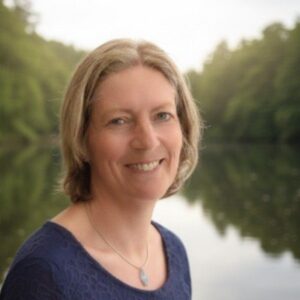
The bottleneck is rarely the tool. It is the ability to engage with its output critically.
Across sectors, professionals are expected to work with generative AI. However, meaningful adoption remains elusive. Users overestimate system capabilities, underestimate the need for validation, or do not know how to move beyond a first attempt. The result is that AI is either avoided or accepted uncritically.
This talk draws on over thirty workshops with translators, researchers, policy staff, information specialists and educators. Despite their different domains, participants share a common pattern: the limiting factor is not technical knowledge, but the ability to come toward what to use it for and then to critically engage with the AI output, identify where it falls short, and systematically refine it.
The session presents a practical framework centred on iterative interactions: evaluating output against your own expertise, articulating what is missing or incorrect, and using that critique to steer the next exchange. The central argument: iteration is a learnable skill, not a talent. Language professionals are uniquely positioned to develop ánd to teach that skill.
The talk concludes with what structured support in this area looks like, and why it is a precondition for sustainable, human-centered AI use.
About the author(s)
Henrike Krijnsen holds a Ph.D. in Advanced control of NOx diesel emissions. Long before “machine learning” became a buzzword, she was already doing exactly that. For her doctoral research, she built a virtual NOx sensor from the ground up: constructing her own diesel engine setup, generating large datasets under varying operational conditions, in order to design a custom emission management system that responds to fluctuating NOx emissions. Using transient emission data supplied by TNO, she trained and validated a black-box model capable of forecasting NOx output. This led to immediate real-world improvements in emission control through precise, adaptive AdBlue dosing. What Henrike was doing back then is now called data science: she was practicing it before the label even existed. That pioneer instinct has never left her.
Today, Henrike works as Senior Specialist in Language Innovation at the Language Centre of the Netherlands Defence Academy (NLDA). She operates at the intersection of language and technology, guiding professionals through the rapidly shifting landscape of AI-assisted communication and information work. She translates complex technological developments into practical, accessible insights, specifically for language and knowledge professionals, helping them work smarter without losing critical judgment.
Her reach extends well beyond the academy walls. Henrike currently delivers an external AI training programme for a consultancy firm, equipping desk research professionals with the skills and frameworks to integrate generative AI meaningfully into their daily workflows. Her approach is hands-on, evidence-based, and grounded in real experience.
At TC47, Henrike brings a rare combination: deep technical understanding from her machine learning roots, front-line experience as an early GenAI adopter, and a practitioner’s perspective on what AI means for language professionals today. Her session delivers both technical depth and immediate relevance. This is precisely the kind of voice the translation technology community needs as it navigates one of the most transformative moments in its history.
User
Lenz, Dina
Dina Lenz
Abstract & bio

This case study evaluates the viability of commercial Large Language Models (LLMs) for legal translation within a pedagogical framework for linguistically grounded prompt control. Focusing on the translation of a German indictment (Anklageschrift) from German to English, the study examines the trade-offs between output quality, workflow efficiency, and General Data Protection Regulation (GDPR) compliance. As many professional translators have hardware limitations preventing the local execution of parameter-heavy models, Google Gemini was selected following manual pre-editing and anonymisation for GDPR compliance. A Best-Practice (BP) multi-part prompt incorporating a glossary based on the German Criminal Code (Strafgesetzbuch) was evaluated against a Single-Prompt (SP) baseline using the Multidimensional Quality Metrics (MQM) framework. The BP output outperformed the SP output by preserving syntactic structures, reducing post-editing time, and accurately rendering the legal terminology in the abstract elements of the case (abstrakter Tatbestand). However, both outputs retained critical errors unacceptable for legal texts. Crucially, comprehensive GDPR compliance requires anonymising both directly and indirectly identifying information in the factual circumstances of the case (konkreter Tatbestand), which deprives the LLM of necessary context and increases pre-editing effort. Consequently, workflow bottlenecks and data minimisation requirements challenge the overall feasibility of commercial LLMs in professional legal translation.
Research
Liu, Ting
Ting Liu, Boya Li and Elizabeth Marshman
Abstract & bio

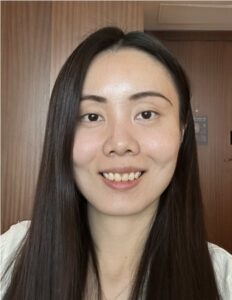
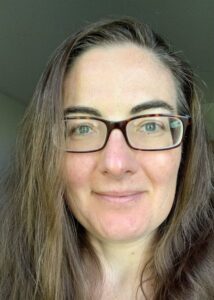
Given the importance of global communication across language barriers, Large Language Models (LLMs) have been gaining attention not only for assistance in academic writing and translation (Lin, 2024), but also for facilitating translation through what has been referred to as translation-friendly editing (Marshman et al., 2026). However, previous studies (e.g., Marshman et al. 2024) have revealed that, while it does show potential, the use of LLMs for academic publication is not without challenges and dangers. This study aims to build on existing literature by studying a new language, Chinese, using up-to-date LLM models, and comparing two different LLMs: ChatGPT and DeepSeek. We adopt the same corpus and methodology as used in previous work, to allow for some comparison to those results. We will thus explore the potential of these LLMs to assist with translation-friendly editing for translation to a variety of languages, including Chinese, and also aim to observe potential effects of the choice of tool for handling a specific language.
About the author(s)
Ting Liu (劉婷) is a PhD candidate at the University of Ottawa School of Translation and Interpretation, and a student member of the Observatoire de linguistique Sens-Texte. Her research focuses on human evaluation of AI-assisted translation, translation quality assessment, the use of large language models in scholarly communication, and translation pedagogy in the digital era. She is a co-author of the team’s previous studies on AI-assisted translation-friendly editing.
Boya Li (李博雅) completed her PhD at the University of Ottawa School of Translation and Interpretation. Her doctoral research focused on the use of digital ethnography in research on online translator communities. She has work experience in both translation and AI data annotation.
Elizabeth Marshman is an Associate Professor at the University of Ottawa School of Translation and Interpretation, and a member of the Observatoire de linguistique Sens-Texte. Her research interests include user perspectives on translation technologies, technology teaching, and computer-assisted terminology.
Research
Liu, Ting
Ting Liu, Muhammad Gamal Hassan, Ahmed Elhuseiny Bedeir, Haifa Ben Naji and Anwar Ghanim Alfetlawi
Abstract & bio
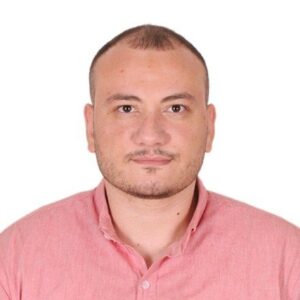
In this study, we build on previous work (Marshman et al. 2024) on using ChatGPT for translation-friendly editing, comparing observations of English editing and translations generated using two versions of ChatGPT, two years apart. In 2024, we built a corpus of scholarly abstracts and edited them to make them more “translation-friendly,” using human editing and ChatGPT 4o under two prompting conditions, one basic and one explicit. The explicit prompt included translation-friendly writing guidelines from Bowker and Buitrago Ciro (2019, p. 60). Then all four versions were submitted to ChatGPT 4o for translation to French and to Arabic. The English versions were annotated by two independent coders, to observe recurrent phenomena in the ChatGPT editing, and the translated versions were annotated using the MQM error typology (again by two independent coders), to observe potential impacts of translation-friendly editing on translation quality. In July 2026, we processed the same corpus using ChatGPT 5.6 Sol Medium, using the same protocol and editing and translation prompts. We then reproduce the quantitative and qualitative coding methodology in English and Arabic. Our discussion of the findings will explore similarities and differences in the two data sets and potential implications for translation-friendly editing and research.
About the author(s)
Elizabeth Marshman is an Associate Professor at the University of Ottawa School of Translation and Interpretation, and a member of the Observatoire de linguistique Sens-Texte. Her research interests include user perspectives on translation technologies, technology teaching, and computer-assisted terminology.
Ting Liu (劉婷) is a PhD candidate at the University of Ottawa School of Translation and Interpretation, and a student member of the Observatoire de linguistique Sens-Texte (OLST). Her research focuses on human evaluation of AI-assisted translation, translation quality assessment, the use of large language models in scholarly communication, and translation pedagogy in the digital era. She is a co-author of the team’s previous studies on AI-assisted translation-friendly editing.
Muhammad Gamal Hassan is a doctoral student at the University of Ottawa School of Translation and Interpretation and a member of the teaching faculty at the Faculty of Al-Alsun (Languages), Ain-Shams University in Cairo, Egypt, where he teaches translation and interpreting. His research interests focus on the changes emerging technologies are bringing to the language industry, with a particular focus on user satisfaction.
Ahmed Elhuseiny Bedeir is a PhD candidate at the University of Ottawa School of Translation and Interpretation, and an English-Arabic translator certified by the American Translators Association and the Association of Translators and Interpreters of Ontario. His research interests include translation technology teaching and the use of translation in foreign language classes.
Haifa Ben Naji is a PhD student at the University of Ottawa, School of Translation and Interpretation. Her research interests include terminology management in commercial environments, localization, and translation technology teaching.
Anwar Alfetlawi is a PhD student at the University of Ottawa School of Translation and Interpretation. He is also an experienced freelance translator and an ESL instructor. His main research interests include simultaneous interpretation, translation technology, and the integration of educational technology in ESL classes.
Research
Lorini, Valerio
Valerio Lorini, Paula Vlaic and Rossella Campanale
Abstract & bio
In the European Parliament, translating amendments to legislative texts is a challenge that generic machine translation handles poorly. Only the amended portions change, so the surrounding official translation must be preserved; amendments may induce morphosyntactic cascades in adjacent text and rely on standardised terminology that machine translation applies inconsistently. We propose a pipeline integrating LLMs into the amendment-translation workflow of Parliament’s translation service. We evaluate it on 23 language pairs (English into the 23 other EU official languages) using roughly 100 authentic amendments, spanning the principal edit types (substitution, insertion, deletion, and morphosyntactic cascades), for several open LLMs in base and fine-tuned configurations against commercial zero-shot baselines. Legislative texts require adaptation to in-domain structure, terminology and resources, so generic models are insufficient alone. Because most of each segment’s text remains unchanged, standard metrics reward preservation over edit correctness and are confounded by cross-lingual structural divergence. We therefore complement the standard metrics with a specifically tailored LLM-as-judge protocol. The strongest-ranked models will then be subject to human evaluation. The central question is whether this pipeline is reliable, effective and scalable enough to bring time efficiencies, while maintaining the high quality of amendment translation at the European Parliament.
About the author(s)
Valerio Lorini, PhD, is the Project Manager for the AI4TRAD project at the European Parliament’s Directorate-General for Translation and Clear Language (DG TRAD), where he works on the design, evaluation and responsible adoption of AI in multilingual institutional contexts. His background is in artificial intelligence, natural language processing and Web and Social Science, with a longstanding interest in the relationship between digital technologies and society.
Earlier in his career, while working for the Copernicus Emergency Management Services he worked extensively on the use of AI and social media in crisis and disaster management. He contributed to the Social Media for Disaster Risk Management (SMDRM) project and related international workshops, and served as co-chair of the task force on Social Media-Driven Disaster Risk Management at the European Commission. His work in this area examined how AI, online information and participatory data can support emergency response and risk governance, while also highlighting issues such as reliability, bias, accountability and public trust.
He now focuses on the implications of generative AI and large language models for multilingual communication, translation workflows and public-sector innovation. His perspective combines technical expertise with practical experience in institutional environments, with particular attention to how AI can be deployed in ways that are effective, accountable and aligned with societal values.
Paula Vlaic is the head of the IT Development Unit, leading the team that ensures the development, maintenance and customisation of the IT tools that support the workflows and translation processes of the Directorate-General for Translation and Clear Language (DG TRAD) at the European Parliament (EP). She is a trained translator, with an extensive experience in the field, including 11 years in the Romanian Translation Unit at the EP, and a strong interest in language technologies. She further expanded her business knowledge while leading the Pre-Processing and Translation Memories Management, which is in charge of the automatic pre-processing of all translation requests reaching DG TRAD. She is also a core contributor to the AI4TRAD project, which aims at exploring, assessing and scaling up AI-based solutions for DG TRAD.
Research
Loupaki, Elpida
Elpida Loupaki, Georgios Meditskos and Maria Papoutsoglou
Abstract & bio

The advent of LLMs has radically transformed a wide range of language-related activities, including terminology management. One of the key differences introduced by LLMs is their probabilistic nature, which contrasts with the predefined and highly structured rules established by ISO standards. Moreover, the lack of metadata regarding the reliability of the sources used, as well as the occurrence of errors, hallucinations, and bias, has led to the emergence of the Human-in-the-Loop approach (HITL).
This study aims to explore the potential applications of LLMs in terminology management for specific terminology-related tasks; examine the impact of limited or domain-specific training data on the performance of LLMs in terminology work; assess the suitability of different LLMs; and investigate the effectiveness of the HITL approach.
An empirical study was conducted during the academic year 2025–2026 with a sample of 20 master’s students. As part of the experiment, participants were asked to complete tasks involving the extraction and translation of medical terminology within a specialized domain. Three state-of-the-art language models with distinct architectures were evaluated. The paper reports preliminary results of this study, identifies its methodological and practical limitations, and examines the potential future uses and implications of the data generated.
About the author(s)
Elpida Loupaki is Associate Professor at the Department of French Language and Literature and member of the Laboratory Translation and Natural Language Processing (EMEL) at the Aristotle University of Thessaloniki in Greece. Since 2002, she has been teaching General Translation, Specialized Translation and Terminology Management both at the undergraduate and postgraduate level. She is the director of the Masters’ Program of Professional Translation at the Aristotle University of Thessaloniki (member of EMT Network), the academic coordinator for the Translation Section and coordinator for the internship program. She had published several papers in international journals and collective volumes, in the fields of Terminology Management, EU translation, and Teaching terminology. She has coordinated numerous terminology projects in collaboration with international and European organizations such as the WIPO, the DGT of the European Commission and TermCoord of the European Parliament. She was leading the Greek team of the Erasmus+ project “DIALOGOS: Communication in Public Services Interpreting and Translation with Languages of Lesser Diffusion” (2022-2025) and has participated in European and nationally funded projects. She is a member of the European Society for Translation Studies, a member of the Hellenic Society for Translation Studies and a member of the Board of the Hellenic Society for Terminology.
Georgios Meditskos received in 2009 the PhD degree in Informatics from Aristotle University of Thessaloniki in Greece for his dissertation on “Semantic Web Service Discovery and Ontology Reasoning using Entailment Rules”. He also holds an MSc and a BSc degree from the same department. In 2012 he joined the Information Technologies Institute (ITI) of the Center for Research and Technology Hellas (CERTH) as a postdoctoral researcher. Since July 2021 he is an Assistant Professor in the School of Informatics at the Aristotle University of Thessaloniki, Greece. He is the author of more than 100 publications in refereed journals and international conferences. He has actively participated in more than 10 European and National projects relevant to Cultural Heritage, Health, Cybersecurity, Disaster Management, Virtual Environments and Agents. His research interests revolve around Symbolic AI, and more specifically on knowledge representation and reasoning in the Semantic Web (RDF/OWL, rule-based ontology reasoning, combination of rules and ontologies), Knowledge Graphs and context-based multi-sensor reasoning and fusion in Pervasive Environments.
Maria Papoutsoglou is a post-doctoral researcher at the Intelligent Systems Lab School of Informatics, Aristotle University of Thessaloniki. She received her Ph.D. from the Department of School of Informatics at the Aristotle University of Thessaloniki and her M.Sc. degree in Information Systems from the same university. Additionally, her BSC. is in Information Technology from the University of Macedonia. Furthermore, she worked as a researcher and developer in European research projects. In the past, she made a traineeship at the CEDEFOP and worked as a Data Analyst in the industry.
User
Mavrič, Valter
Valter Mavrič and Marta Kąkol
Abstract & bio

The European Parliament’s Directorate-General for Translation and Clear Language translates parliamentary documents into the EU official languages. It has also built capacity in selected third-country languages — Ukrainian, Arabic, Chinese, Russian, and the official languages of EU enlargement countries — to support the Parliament’s external policy: countering disinformation, projecting democratic values and communicating with citizens beyond EU borders.
This paper presents a case study of the Ukrainian-language team, the most developed of these services. Since Russia’s 2022 invasion, the team has supported the Parliament’s Stand with Ukraine platform and the preparatory work for Ukraine’s EU accession.
Debates on AI readiness in language services focus on tools: engines, integrations and workflows. A survey of the team points to a different constraint. Tooling is the one dimension the professionals rate as fully adequate; the dimensions they rate weakest are access to subject-matter experts and Ukraine-specific training. They rely on external rather than internal sources for terminology and expertise. For a small institutional language service, AI readiness in the tooling sense is reached early and cheaply, while the human knowledge infrastructure — expert networks, domain training, institutional cooperation channels — lags behind and is the real constraint on quality. It deserves equivalent investment.
About the author(s)
Valter Mavrič is Director-General of the Translation Service (DG TRAD) at the European Parliament (since 2016), where he was previously acting Director-General (from 2014), Director (from 2010) and Head of the Slovenian Translation Unit (from 2004). With an MA in applied linguistics and further training in translation, interpretation, linguistics and management, he has a long experience as manager, translator, interpreter and teacher of languages. He works in Slovenian, Italian, English, French, and Croatian and is currently preparing a PhD in strategic communication.
Marta Kąkol is Head of the Enlargement and Third-Country Languages Unit and at the Directorate-General for Translation and Clear Language (DG TRAD) of the European Parliament since January 2023. She joined the European Parliament in June 2021 and first worked as an adviser to the Director-General. Before that, she worked at the Directorate-General for Interpretation of the European Commission. She obtained a Master’s degree in Polish Philology at the Adam Mickiewicz University in Poland, followed by a post-graduate training as a conference interpreter at the London Metropolitan University in the United Kingdom.
Research
Mechura, Michal
Michal Mechura
Abstract & bio

This paper proposes a method for automating the repetitive aspects of post-editing while keeping the human post-editor in control of creative high-level decisions. Based on a qualitative study of before-and-after post-editing logs, we propose a typology of automatically implementable post-editing decisions along with an experimental user interface which allows post-editors to perform translation rewrites with just a single click, without having to type anything.
About the author(s)
Michal Mechura is a researcher at University of Vienna Centre for Translation Studies where he develops next-generation tools for machine translation post-editing and un-biasing in the HAITrans (Human and Artificial Intelligence in Translation) research group. He also builds and maintains Irish language resources for Gaois DCU and Foras na Gaeilge and Ireland.
Workshop
Melby, Alan
Alan Melby
Abstract & bio
The Labels on Translation Output project emerged from an AsLing 2021 (TC43) panel discussion titled “Unedited (raw) Machine Translation: Strengths and Limitations in your Use Case”, which was moderated by Eleanor Cornelius and co-moderated by Alan Melby. Shortly after that panel discussion, Melby came up with the idea of attaching a label to every piece of translation output, building on the well-established practice of attaching consumer protection labels to food packaging and household appliances. The path from idea to implementation has been long and has involved consultation with hundreds of members of the translation community. In December 2025, four years after TC43, the labels Professionally Verified Translation (PVTr) and Unverified Translation were standardized in section 10.2 of a new edition of the ASTM translation standard (F2575). Along with the written-out PVTr label, a logo has been developed and protected as a certification mark.
The proposed workshop during the Asling 2026 conference (TC47) will be for individual translators, language service companies, and other entities who are interested in licensing the PVTr logo and applying it to translations that they deliver. Individual translators who license the PVTr logo are not asked to pay a licensing fee. The logo is managed by a nonprofit organization named LTAC Global that depends on voluntary contributions.
The workshop is open to anyone interested in the Labels on Translation Output project, whether or not they have followed its progress since 2021.
About the author(s)
Alan Melby has over fifty years of experience in translation technology. He was a founding member of a machine translation project at Brigham Young University in 1970. In 1978, he experienced an intellectual crisis when he concluded that there is no such thing as universal units of meaning independent of time, people, and cultures. He then turned his attention to developing tools to augment the capabilities of human translators rather than replacing them. For example, he designed the first PC-based terminology management system, MTX, and has participated in the development of the international standard for exchanging and archiving terminological data, TBX (ISO 30042). He has also contributed to MQM (Multidimensional Quality Metrics), the de facto standard for translation quality evaluation.
He has served as a member of the board of directors of ATA (American Translators Association), a member of the governing council of FIT (International Federation of Translators), and as Chair of the FIT North America regional center.
He is an emeritus full professor of linguistics but has not retired and has no plans to do so. He is an ATA-certified French-to-English translator. And a believer in a fundamental difference between humans and machines.
As president of LTAC Global, a non-profit serving the language community, his current focus is the Labels on Translation Output initiative, which brings together ASTM International, a standards body older than ISO, and other organizations to promote attaching a label to every piece of translation output. The standardized labels are Professionally Verified Translation and Unverified Translation.
Research
Mouratidis, Despoina
Despoina Mouratidis and Vilelmini Sosoni
Abstract & bio

While modern Large Language Models (LLMs) have been found to perform adequately for the translation of contemporary specialised texts (Vilar et al, 2022; Sizov et al, 2024; Zhu et al, 2024), their performance for the translation of historical archival texts remains underexplored. Archival texts often feature archaic orthography, domain-specific administrative terminology, and rigid epistolary protocols that differ vastly from corpora used for the training of LLMs. This paper evaluates the performance of three leading LLMs (GPT 5.5, Claude Sonnet 5, Gemini 3.5) as regards the translation into Modern Greek of a highly specialized historical dataset: 83 transcribed and sentence-aligned 19th century French administrative documents (16,707 words) (Karlafti-Mouratidi, 2022). One subset of the dataset is kept in its archaic state, while another is normalized into modern French using both automated rules and LLM-assisted editing. Both subsets are fed into the three LLMs to produce Greek translations following two different prompts: (a) Zero-shot translation with standard instructions, and (b) Few-shot translation enriched with a localized glossary of historical administrative correspondences and formulas. The translations are rated for accuracy and fluency by two experienced Greek translators and they are also evaluated against the human-translated gold standard using baseline automated metrics.
About the author(s)
Dr. Despoina Mouratidis is a Researcher and Academic Tutor at the Ionian University, Greece. She holds a B.Sc. in Mathematics from the University of Ioannina, an M.Sc. in Computer Science (Informatics and Humanities), and a Ph.D. in Informatics (2021) from the Ionian University. Her doctoral thesis focused on the multimodal evaluation of stochastic machine translation. She has also successfully completed her postdoctoral research on “Machine Learning in Semantic Analysis of Cultural Data.”
Currently, Dr. Mouratidis has a broad teaching portfolio. She serves as a Tutor in the postgraduate Data Science and Machine Learning program at the Hellenic Open University and as a Contract Tutor at the Department of Informatics, Ionian University. Additionally, she delivers guest lectures at the Department of Foreign Languages, Translation and Interpreting, while also working as a mathematician in secondary education.
As a member of the Humanistic & Social Informatics Laboratory, her research interests encompass natural language processing, deep learning architectures, fake news detection, and the evaluation of machine translation systems. She has actively contributed to major European and national research projects (Horizon 2020 TraMOOC, ENIRISST+). Dr. Mouratidis has authored numerous publications—receiving a Best Paper Award in 2021—and regularly serves on the program and organizing committees for AI and NLP conferences, including SETN and RANLP.
Dr Vilelmini Sosoni is tenured Associate Professor at the Department of Foreign Languages, Translation and Interpreting at the Ionian University in Greece where she also serves as Associate Head. She is the Director of the Research Lab for Specialised Translation and Language Technologies at the Department, she is in charge of the Placements Scheme for both undergraduate and postgraduate students and a member of the Gender Equality and Anti-Discrimination Committee of the Ionian University. She has taught Translation in the United Kingdom at the University of Surrey, the University of Westminster, Roehampton University and the University of Wolverhampton, and in Greece at the National and Kapodistrian University of Athens, Metropolitan College and the Institut Français d’ Athènes. She also has extensive professional experience having worked as a professional translator, editor, content creator and subtitler. She studied English Language and Literature at the National and Kapodistrian University of Athens and holds a Diplôme Universitaire in Trilingual Translation from the University of Strasbourg, an MA in Translation and a PhD in Translation and Text Linguistics from the University of Surrey.
Her research interests lie in the areas of the Translation of Institutional and Political Texts, Corpus Linguistics, Audiovisual Translation and Accessibility, as well as Machine Translation, Creativity and Cognitive Science. She is, among others, a founding member the Greek Chapter of Women in Localization, a researcher in the Hellenic OCR Team and was a member of the Advisory Board and the Management Board of the European Master’s in Technology for Translation and Interpreting (EM TTI) funded by Erasmus+. She is a recipient of an Imminent grant to research the use of Machine Translation and Post-editing for the translation of literature and she has participated in several EU-funded projects, notably Resonant, Resonant+, Trumpet, TraMOOC, Eurolect Observatory and Training Action for Legal Practitioners: Linguistic Skills and Translation in EU Competition Law, while she has edited several volumes and books on translation and published numerous articles in international journals and collective volumes.
She has translated in Greek the book The Unfair Trade by Michael Casey and the book Proust and the Squid: The Story and Science of the reading Brain by Maryanne Wolf She has also translated in English selected poems by Dimitris Zavras and Yiannis Efthymiadis. She has edited the English translation of the flash story collection Tango in Blue Nights by Vasilis Manousakis and the English translation of the book The Voice of Science – The Silence of Nature by Costas Demetzos.
Research
Oya, Masanori
Masanori Oya
Abstract & bio
This study reports a quantitative analysis of dependency distance (DD) distributions in machine-translated (MT) English, using a Japanese–English parallel corpus spanning fifteen genres. For each of 45 sub-corpora — fifteen genres in three conditions (human-translated (HT) English from Japanese, machine-translated English from Japanese, and original Japanese) — we fit the Right Truncated modified Zipf–Alekseev distribution and compare the fitted parameters a and b. We find that MT English shifts the parameters in a consistent direction relative to the HT English: lower a and higher b, in 13 of 15 genres for a and 14 of 15 for b (paired Wilcoxon p = .002 and p < .001). The shift means that MT distributions of DD are flatter than those of HT, placing less probability mass on the shortest dependencies. The MT shift functions as a measurable structural fingerprint that distinguishes MT output from HT at the level of dependency-distance distributions.
About the author(s)
I am a professor at the School of Global Japanese Studies at Meiji University in Tokyo, Japan. I have worked there since 2019, first as an associate professor and then, from 2022, as a professor. I am also a part-time lecturer at Waseda University, where I have taught since 2009.
I studied English language and literature at Waseda University, and I received my master’s degree and Ph.D. there. I also studied computing at Dublin City University in Ireland and got a Master of Science degree.
My main research field is linguistics. I am interested in dependency grammar, corpus linguistics, and dependency distance. I often use multi-lingual parallel corpora, which are collections of texts in different languages with the same meaning. I also study Esperanto as a natural language, and I am interested in English education and learner corpora.
I have written more than thirty academic papers. For example, I have studied the complexity of English sentences in Japanese high school textbooks, and the differences between English and Japanese sentence structures. I often present my research at international conferences such as PACLIC.
Research
Palmer, Sara
Sara Palmer, Félix do Carmo and Sabine Braun
Abstract & bio

Building on empirical project data, this paper explores machine translation post-editing as performed and perceived by freelance translators.
Translators who provide post-editing of machine translation ensure the viability of a service that promises quality equal to that of human translation (Palmer and do Carmo 2025), yet previous research shows negative effects of post-editing on their professional wellbeing (Sakamoto et al. 2025). Although freelance translators provide the majority of all translation services, they remain understudied in academic literature (Penet 2025).
This study aims to inform research through industry practices, and industry through research by following people and activities in the field (Risku et al. 2020). It is centred around the work diaries of 21 experienced freelance translators, collected between April-June 2026, and comprising 293 logged projects and over 5,000 data points.
Drawing on this dataset and follow-up interviews with 19 translators, this paper explores tensions between quality, profitability, effort, enjoyment and efficiency experienced in the delivery of post-editing services. It raises questions about the viability and sustainability of current industry practices and workflows, and argues that work diaries can be an invaluable tool for independent freelancers who often lack visibility into these factors in their day-to-day work.
About the author(s)
Sara Palmer is a current doctoral student at the Centre for Translation Studies at the University of Surrey, UK, under the supervision of Dr Félix do Carmo and Prof Sabine Braun. She holds an MA in non-fiction translation from Linneaus University, Sweden, and a BA in Comparative American Studies from Warwick University, UK. She has worked as a professional translator for 15 years in both in-house and freelance positions, specialising in marketing, entertainment and audio-visual translation. The changing working conditions for translators under increasing adoption of translation technologies fuelled her interest in studying the language industry from an academic perspective. Her research is focused on Translation Industry Studies and explores the phenomenon of translation service diversification from the perspective of different stakeholders in the industry.
Félix do Carmo is a Senior Lecturer at the Centre for Translation Studies of the University of Surrey, where he teaches and researches the application of technologies to translation work processes, with a focus on their ethical and professional implications. He is a Fellow of the Surrey Institute for People-Centred Artificial Intelligence, and an Expert member of the Surrey Future of Work Research Centre. He worked for more than 20 years in Porto, Portugal, as a translator, translation company owner and university lecturer, and he was awarded a post-doctoral research fellowship to work at Dublin City University.
Sabine Braun is Professor of Translation Studies and Director of the Centre for Translation Studies at the University of Surrey, UK, a Research-England funded Centre of Excellence. She also serves as a Co-Director of Surrey’s Institute for People-Centred AI. She specialises in human-machine integration in translation and interpreting to improve access to information, digital content and public services. For over a decade, she spearheaded a European-funded research programme investigating video-mediated interpreting in legal proceedings to improve language access in the justice sector (AVIDICUS 1-3; 2008-16), while contributing her expertise in video interpreting to other justice sector projects (e.g. QUALITAS, 2012-14; Understanding Justice, 2013-16; VEJ Evaluation, 2018-20). Subsequently she advised justice sector institutions on the use and risks of video-mediated interpreting, delivered training, developed European guidelines, and co-authored a DIN standard. She has also explored the use of video and virtual reality platforms for training interpreters and users of interpreting services (IVY, 2011-3; EVIVA, 2014-15; SHIFT, 2015-18; EU-WEBPSI, 2021-24) and is currently involved in projects investigating the application of communication technologies and AI-enabled language technologies to multilingual health communication (MHealth4All, 2021-24; Interpret-X, 2021-24). She conducts research on audio description and other translation modalities related to accessible communication. In the Horizon 2020 project MeMAD (2018-21), she explored the potential for (semi-)automating audio description to enhance digital media inclusion. In 2024, she launched a Leverhulme Trust-funded Doctoral Training Network on AI-Enabled Digital Accessibility (ADA). Her overarching interest centres on fairness, transparency, and quality in the use of technology in language mediation.
Poster
Pinčić, Domagoj
Domagoj Pinčić
Abstract & bio

Generative artificial intelligence (GenAI) is being explored for legal translation workflows, raising important questions about the preservation of legal and linguistic accuracy and the protection of sensitive information throughout the translation process. In legal contexts, errors involving terminology, obligations, permissions, references, or scope can affect the interpretation of rights and duties even where text is fluent. Assessing the reliability of GenAI-assisted translation therefore requires attention to the methods by which documents are prepared, translated, and reviewed, rather than evaluating fluency alone.
One challenge arises when organisations replace names and other potentially identifying details with placeholders before submitting legal documents to external services. While masking can limit disclosure, it can also remove linguistic information needed to render personal names correctly. Croatian provides a useful example because the required form of a name depends on its grammatical case, and replacing that name with a neutral token can interfere with case inflection and agreement. Restoration may also unintentionally alter dates, amounts, or the surrounding legal text.
These effects are investigated through a controlled English-to-Croatian case study. The test set comprises legal-style sentences based on phrasing found verbatim in EUR-Lex, with personal female and male names across five grammatical cases alongside dates and amounts. Several large language models (LLMs) and Google Translate translate unmasked sentences and variants with untyped placeholders, typed placeholders, or realistic surrogates. Direct replacement, rule-based localisation of dates and amounts, a Croatian case-aware restoration method, and model-assisted restoration using locally deployable open-weight LLMs are then compared.
Evaluation distinguishes successful placeholder recovery from grammatical correctness and preservation of the surrounding text. Expected name forms are verified manually, with human adjudication when translation changes the syntactic structure. With placeholders, names were restored about equally well by the rule-based method and the large local LLM, although the former left more gender agreement errors. With surrogates, the rule-based method was more accurate (95% against 82%).
By focusing on restoration outcomes, the study assesses how masking choices and post-translation processing affect the reliability of GenAI-assisted legal translation.
About the author(s)
Domagoj Pinčić is a postdoctoral researcher in the Department of Foreign Languages at the Faculty of Law, University of Rijeka, Croatia. He holds a PhD in Computer Science from the Faculty of Engineering, University of Rijeka (2023), where he previously worked as a research and teaching assistant. His earlier research covered machine learning, computer vision and biometric systems, including gait recognition, privacy-preserving biometrics with homomorphic encryption, and sensor placement optimisation. He currently works on a research project that investigates the use of generative artificial intelligence, including large language models, in the translation of legal texts. The project combines automated legal translation, corpus-based terminology and legal information science.
Workshop
Rodríguez Fernández-Peña, Alfonso Carlos
Alfonso Carlos Rodríguez Fernández-Peña
Abstract & bio

Artificial intelligence is rapidly reshaping audiovisual translation workflows, from automatic speech recognition and machine translation to synthetic voice generation. Yet these technologies do not eliminate the need for translators: they change where human intervention, linguistic judgement and quality control become necessary.
This hands-on workshop introduces participants to an AI-assisted dubbing workflow using DubbiOvi 2.0, an open-source audiovisual translation environment developed at the University of Oviedo. Participants will work through the main stages of a dubbing project: importing audiovisual material, generating and editing transcripts, preparing translated dialogue, creating synthetic voices, managing takes, previewing the dubbed sequence and exporting the resulting media.
Rather than presenting AI as an automatic end-to-end solution, the workshop focuses on human-in-the-loop workflows. Particular attention will be paid to translation quality, timing, performance, voice selection and the practical and ethical implications of synthetic voices.
The session is aimed at translators, audiovisual translation professionals, researchers, educators and students interested in exploring how speech technologies can be integrated into contemporary translation workflows. No previous experience with speech synthesis or programming is required.
About the author(s)
Alfonso Carlos Rodríguez Fernández-Peña is an Assistant Professor in the Department of English Philology at the University of Oviedo and a member of the TradDisc Research Group. His research focuses primarily on audiovisual translation, applied phonetics and prosody, translation technologies, and the application of artificial intelligence and speech technologies to translation, teaching, and research.
His current research interests include intonation and prosody in text-to-speech (TTS) systems, translation for dubbing and voice-over, audiovisual synchronisation, and the integration of artificial intelligence technologies into translation workflows. He is the developer of DubbiOvi, an open-source platform designed for dubbing translation and its application in educational, professional, and research contexts.
He holds a PhD in English Studies from the University of Oviedo and combines his academic career with extensive professional experience in audiovisual translation and voice-over, fields in which he has worked since 2007. This close connection between research, teaching, and professional practice is one of the central features of his academic and knowledge-transfer activities.
Poster
Sahan, Venus
Venus Sahan and Claire Shih
Abstract & bio

The rapid integration of generative artificial intelligence (GenAI) into translation and language services is reshaping professional practices, identities, and expectations. While existing research has primarily examined technological developments, less attention has been given to the role of professional associations in mediating AI-driven change. Drawing on a corpus of 52 publicly available materials produced by professional associations representing translators and language professionals worldwide, the study employs reflexive thematic analysis to examine how associations are responding to AI-driven change and positioning translators within an evolving professional landscape.
Findings indicate that associations predominantly promote a human-AI collaboration narrative, emphasising that human expertise remains central to translation practice. Associations engage in advocacy, policy discussions, and standards development while providing AI-related training, guidance, and professional support. At the same time, they reinforce professional ethics and quality standards. The analysis further reveals evolving conceptions of translator identity, including expanded competencies such as AI literacy, quality assurance, and language technology expertise. Although broad themes are shared globally, variations emerge according to association size, regional priorities, and concerns surrounding low-resource languages. The study highlights the increasingly important role of professional associations in shaping the future of translation and language professions in the age of AI.
About the author(s)
Venus Sahan is a second-year undergraduate student at University College London (UCL) in the Department of Political Science. She is also a Laidlaw Research and Leadership Scholar. Venus’ research project examines specifically on the role and response of professional language associations on the impact of Generative Artificial Intelligence. Venus will also undertake a leadership-in-action project abroad next year.
Dr Claire Shih is Associate Professor in Translation and Interpreting Studies at University College London (UCL). Her research examines the impact of emerging technologies on translation and interpreting, with a particular focus on generative AI, professional identity, and the future of language professions. Her current work investigates how professional associations around the world are responding to AI-driven change and how these responses shape translators’ evolving roles, expertise, and public standing.
More broadly, her research interests include translation and interpreting pedagogy, multilingual communication, professional practice, and language mediation in institutional and business contexts. She has published and presented internationally on translator and interpreter training, professional development, and the relationship between human expertise and technological innovation.
Poster
Saina, Francesco
Francesco Saina
Abstract & bio
Machine translation (MT) and large language models (LLMs) are by now approaching human quality in high-resource language pairs, while computer-assisted translation (CAT), computer-assisted interpreting (CAI), and subtitling environments increasingly integrate speech recognition, terminology processing, and automated real-time support. Against this backdrop, usage data show translators and interpreters delegating tasks to AI far more than they iterate with it.
This contribution reports findings from the Erasmus+ project ‘AI-NYELV’ (AI-assisted Foreign Language Education in Higher Education), triangulating three evidence streams: a comparative analysis of 26 AI tools assessed across 12 functional features and 7 evaluation criteria for three stakeholder groups (teachers, learners, and translators/interpreters); a review of empirical literature on AI in language education; and surveys of hundreds of teachers and students across six European countries.
Early results expose a critical gap: adoption is broad but shallow, with limited analysis of outputs, infrequent source verification, and scarce institutional guidance. Moreover, risks depend more on interaction patterns than on the tools.
Translator and interpreter training should, therefore, be reorganised around new competence areas — AI literacy, suitability judgement, MTPE and QA skills, cultural and contextual nuance, ethical reasoning, and hybrid workflow mastery — and followed by the curricular and assessment redesign this entails.
About the author(s)
Francesco Saina is an Italian multilingual digital communication expert, translator, and interpreter working with English, French, and Spanish.
He specializes in technical, medical, and audiovisual translation, and lends his voice to political leaders, artists, and global companies through conference, diplomatic, and media interpreting.
He is also a computational linguist and localization engineer, university lecturer in translation and interpreting technology, and collaborates on academic and industrial projects on natural language processing and artificial intelligence.
His texts on linguistic applications of computer science have been published in specialized volumes and presented at international conferences, receiving prestigious awards and acknowledgements. His interdisciplinary insights range across international relations, social dynamics, creativity, and intercultural dimensions.
His work, at the intersection of language and technology, theoretical research and professional experience, has also led him to serve as a trainer and strategic consultant for agencies, institutions, and organizations aiming at integrating innovation into language services and localization, internationalization, and global communication processes.
User
Saina, Francesco
Francesco Saina
Abstract & bio
Conventional machine translation post-editing (MTPE) positions the language professional downstream of the AI system, intervening only after output has been generated — correcting, polishing, but rarely shaping.
The presented user experience proposes an alternative process paradigm, in which the linguist’s expertise is refocused upstream, at the level of context design rather than output revision. Drawing on hands-on professional practice, the work outlines a procedure in which linguists curate and structure the inputs and assets that enable AI generation: terminology and style guides, locale conventions, structured knowledge graphs, reference multimedia, and market-specific regulatory and compliance requirements. Rather than fixing a model’s product, this approach aims at architecting the model’s behaviour.
The presentation introduces a practical framework for this shift, discussing the skills required of language professionals and reflecting on implications for professional value, training, and sustainability in language services and solutions.
By redirecting linguists from correction to curation and architecture, this approach offers a concrete answer to the sector’s pivotal question: ensuring that AI remains a tool that language professionals leverage, rather than a technology that eclipses them.
About the author(s)
Francesco Saina is an Italian multilingual digital communication expert, translator, and interpreter working with English, French, and Spanish.
He specializes in technical, medical, and audiovisual translation, and lends his voice to political leaders, artists, and global companies through conference, diplomatic, and media interpreting.
He is also a computational linguist and localization engineer, university lecturer in translation and interpreting technology, and collaborates on academic and industrial projects on natural language processing and artificial intelligence.
His texts on linguistic applications of computer science have been published in specialized volumes and presented at international conferences, receiving prestigious awards and acknowledgements. His interdisciplinary insights range across international relations, social dynamics, creativity, and intercultural dimensions.
His work, at the intersection of language and technology, theoretical research and professional experience, has also led him to serve as a trainer and strategic consultant for agencies, institutions, and organizations aiming at integrating innovation into language services and localization, internationalization, and global communication processes.
Poster
Salmi, Leena
Leena Salmi, Maarit Koponen and Tommi Nieminen
Abstract & bio

Until recently, the use of computer-assisted translation tools has been less common in literary translation compared to other fields such as technical or administrative translation. However, computer-assisted tools and large language models can support literary translators in different ways. This paper presents a pilot study where literary translators tested an LLM-based translation memory plugin intended to support them in getting familiar with and analysing the source text. The plugin consists of four user interface elements: Character Network shows the characters and places in the source text, Descriptions gives an overview of them, Word Cloud visualises their dialogues and Timeline displays the segments in which they appear in the source text. Eleven literary translators tested the plugin prototype. According to the preliminary findings based on the tests and a feedback questionnaire, the general impressions of the participants were mainly positive. The impressions of the usefulness of the features varied, and the Character Network feature appeared most useful. Overall, the findings indicate that this type of tool can be useful for the work of a literary translator.
About the author(s)
Leena Salmi is a Senior Lecturer in French and Translation Studies at the University of Turku. Her PhD thesis (2004) dealt with the usability of computer user documentation and her current research interests relate to translation pedagogy, translation technology and user-centered translation. Her teaching focuses on practical translation courses (French-Finnish), translation technology and translation company simulation, as well as supervision of MA and PhD thesis.
Maarit Koponen is Professor of Translation Studies at the University of Eastern Finland. Her research focuses on theoretical and practical aspects of the use of translation technology, particularly machine translation, in professional workflows as well as non-professional settings. She has published on the topics of machine translation and post-editing, machine translation for information purposes, quality of machine translation and usability of translation technologies.
Tommi Nieminen is a doctoral researcher in the Helsinki-NLP research group at the University of Helsinki. He has worked in the translation industry for a long time, starting as a translator and gradually moving to more technical tasks such as supporting CAT tools, automating translation processes and developing machine translation.
User
Saul, Mariana
Mariana Saul
Abstract & bio
This presentation traces a small Secretariat’s practical encounter with the current wave of AI language tools, from structured experimentation inside a CAT environment to a vendor demonstration of enterprise AI, and asks what these experiences reveal about the gap between what AI promises and what it delivers for organisations with highly specialised content and limited resources.
The IOPC Funds (26 staff, three official languages, 123 Member States) tested small and large language models within Trados, comparing a trainable translation-focused SLM, a text-generating SLM, and a cloud-hosted LLM against machine translation baselines. The results, presented at JIAMCATT 2026, showed that no single approach dominated, and that the capacity to design, run, and interpret such evaluations mattered as much as the tools themselves. A subsequent vendor-hosted demonstration of a translation agent confirmed the pattern from a different angle: the tool’s limitations were invisible to IT specialists but immediately apparent to the linguist, because the evaluation required knowledge of both the technology and the institutional translation workflow.
The presentation reflects on these findings for small multilingual organisations navigating AI adoption, and asks how small language services can build and share the evaluative capacity that no single specialism, linguistic or technical, can provide alone.
About the author(s)
Mariana Saúl is a London-based literary and technical translator from Argentina, working across English, French, and Spanish. With a background in Comparative Literature, she has taught and researched at universities in both Argentina and the UK. For the past eight years, she has worked at an international organisation dedicated to compensating victims of marine oil pollution. Her work focuses on institutional translation workflows, terminology management, and the integration of emerging language technologies to enhance multilingual documentation and publications.
Research
Setkowicz-Ryszka, Anna
Anna Setkowicz-Ryszka
Abstract & bio
Contracts are the “bread and butter” for legal translators. Due to incongruent legal concepts and different drafting styles in common law and civil law countries, translating contracts from English into Polish can be challenging if recipients are to understand them.
This paper reports the results of translation process research conducted in the context of legal translation training, focusing on two elements: information behaviours and MT literacy. Process data – keystroke logs and/or screen recordings – were obtained from participants of contract translation courses, and analysed qualitatively and quantitatively.
In participants’ search behaviours, orientation on finding solutions rather than understanding concepts was a frequent problem. Many lookups were limited to bilingual dictionaries and/or concordancers, while monolingual dictionaries or encyclopaedic legal sources were used sparingly. Some trainees could not critically assess MT output. They often used it to translate phrases or clauses, not full sentences, and even introduced accuracy or stylistic errors in their texts after consulting MT.
These problems may be aggravated if trainees use LLMs for translation and lookups in AI-generated content, necessitating AI literacy development in legal translator training. Meanwhile experienced legal translators, while recognizing the strengths of algorithms, value their critical thinking and certain mistrust of online sources.
About the author(s)
Anna Setkowicz-Ryszka is a legal translator of English in Poland and a translator trainer. She has extensive experience in translating, post-editing and revising the translations of legal and economic texts. She also conducts workshops for Polish lawyers interested in using automated translation safely. In 2025 she completed the Doctoral School of Humanities at the University of Lodz, Poland, and was awarded a PhD in 2026. Her research interests include legal translation didactics, plain legal language, academic legal language and automated translation of legal texts. Member of the European Society for Translation Studies, Polish Association of Sworn and Specialised Translators and Interpreters, and International Legal English Trainers’ Academy.
User
Siani, Assaf
Assaf Siani and Ilan Kernerman
Abstract & bio
LLM-based quality estimation (QE) is moving rapidly from research prototypes into real translation workflows. But before a score can influence review priorities, post-editing decisions, or customer-facing quality controls, we must assure that the system can be trusted.
This case study presents the development and validation of a production-oriented API, designed to assess translation quality without reference translations. Rather than relying on a single benchmark, we evaluated the API through five complementary stress tests. Progressive perturbation experiments measured whether scores declined as controlled errors increased in severity. Error-explainability tests examined whether the system identified the actual cause of quality loss. Consensus-based testing assessed stability across repeated judgments. Prompt-robustness experiments tested whether reasonable instruction changes affected scores, rankings, or error labels. Finally, a judge–fix–rejudge workflow checked whether correcting detected errors led to a consistent improvement in evaluation.
Together, these experiments tested sensitivity, diagnostic value, stability, reproducibility, and actionability. We will present what worked, where the system remained fragile, and how these findings shaped the API’s design. Our talk will conclude with practical recommendations for using LLM-based QE in translation triage, quality assurance, and post-editing while prioritizing human oversight. The result is a path from impressive demos to dependable deployment.
About the author(s)
Assaf Siani and Ilan Kernerman are, respectively, Chief Research & Innovation and Chief Executive Officer of Lexicala. Assaf graduated in Computer Science from Bar-Ilan University and has since led the company’s language technology R&D, while Ilan leads corporate strategy and cooperation with industry, academia, associations, and professionals worldwide. They have rich experience in language learning and translation, multilingual data science and knowledge management, machine translation quality estimation, and under-resourced languages, with current focus on AI-assisted LLM-as-a-Judge auto-raters for translation quality evaluation, including recent presentations at AMTA, TAUS and LI 2025 conferences, and LoResLM 2026.
Poster
Song, Qi
Qi Song
Abstract & bio
This work-in-progress proposes a two-stage design to examine how AI-generated alternatives influence an experienced literary translator’s interpretation, evaluative judgement and decision-making. In this study, influence is understood as an evidentially supported contribution of AI input to subsequent deliberation or decision-making, rather than as an independently identifiable causal effect.
Stage one will compare earlier non-AI drafts and notes to reconstruct recoverable revision sequences, refine provisional criteria for identifying decision episodes, and examine what retrospective records fail to capture. Stage two will follow a complete English-to-Chinese literary translation through a prospective single-case study with an autoethnographic component. The translator will decide when to consult AI across preparation, drafting and revision. A running log will register each decision episode recognised as meeting the provisional eligibility criteria; criteria for detailed analysis will be specified before data collection. Detailed analysis will focus on episodes in which AI introduces an alternative interpretation, rendering or evaluative possibility, or prompts the development or reconsideration of one. Episodes without direct AI engagement will provide contextual reference rather than a control condition.
Reflexive analysis will consider professional responsibilities, working practices, translator identity, and relevant professional and cultural expectations.
About the author(s)
Qi Song is a literary translator based in China and teaches English at Xuchang University. She holds a master’s degree in English Language and Literature and was a Visiting Scholar at the University of Southampton from 2018 to 2019.
She translates from English into Chinese and has completed seven book translations, four of which have been published: Mark Haddon’s The Pier Falls, Tim Crothers’ The Queen of Katwe, Hala Alyan’s Salt House, and Watchlist, edited by Bryan Hurt. Two further translations—Francine Prose’s Reading Like a Writer and Elif Batuman’s The Idiot—were completed but remain unpublished after publication plans were cancelled during the COVID-19 Pandemic. Her translation of Fourteen Days: A Collaborative Novel, edited by Margaret Atwood and Douglas Preston, is forthcoming in 2027.
Her research focuses on literary translators’ interpretation, evaluative judgement and decision-making, particularly in relation to generative AI. Drawing on more than two decades of translation practice and retained draft versions from earlier projects, she is developing a two-stage study of how AI-generated alternatives enter and potentially influence a literary translator’s deliberation and choices. The research combines retrospective analysis of earlier non-AI drafts with a prospective single-case study of a complete English-to-Chinese literary translation, incorporating an autoethnographic component. It also examines how professional responsibility, translator identity, established working practices, and relevant professional and cultural expectations shape the evaluation of AI-generated alternatives.
Research
Starlander, Marianne
Marianne Starlander
Abstract & bio
Translation technology teaching has traditionally been organized around CAT tools, with machine translation (MT) integrated as a secondary resource within environments such as Trados or memoQ. Building on previous research on translation technology competence assessment and on the curricular integration of technologies across translation courses, this paper argues that recent advances in neural MT and generative AI are reversing this paradigm.
Today, platforms such as DeepL place AI, in the form of LLMs next-generation automated translation, at the centre of the translation workflow, while translation memories, terminology resources, and style guides are increasingly used to customize and constrain AI-generated output. As a result, the professional entry point into translation practice may be shifting away from complex CAT environments toward simpler AI-native platforms.
This evolution raises important pedagogical questions: Should translation programmes continue to prioritize traditional CAT tools? Which technological competences will remain relevant in AI-mediated workplaces? The paper proposes moving from a tool-centred to a competence-centred approach, emphasizing AI literacy, prompt design, quality evaluation, terminology management, post-editing, and critical assessment of AI output. Rather than predicting the disappearance of CAT tools, it argues for redefining their role within a broader ecosystem in which AI increasingly shapes professional translation practice.
About the author(s)
Dr. Marianne Starlander is a translation technology specialist and lecturer at the Faculty of Translation and Interpreting of the University of Geneva. She joined the multilingual information processing department in 2000 where she worked as a teaching and research assistant and now as teaching staff. She originally trained as a translator at the same faculty and also holds a post graduate degree in European studies from the European Institute of the University of Geneva.
She is coordinator for SUISSETRA (Swiss association for the promotion of CAT tools). She has been involved in the research project MedSLT (Medical spoken language translator) and worked on spoken language translation evaluation issues in the frame of her thesis published in 2016. She is responsible for the CAT tools training at the MA level and involved in the continuous education program in translation technology, IA integration and speech recognition.
User
Stone, Nate
Nate Stone
Abstract & bio

Creators now publish into a multilingual media system, not a single-language video feed. A dubbed track is only one part of that system. The practical user experience for AI-assisted creator localization includes language selection, translation review, voice quality checks, timing, subtitles, titles and descriptions, YouTube delivery, and market-by-market measurement.
This user-experience talk presents a practitioner workflow for keeping humans in control while using AI dubbing at creator scale. It separates three layers that are often collapsed into one demo: speech generation, localization operations, and publishing control. The talk will show where quality risk enters the process, why editable translations and vocals matter, how subtitles and translated metadata change user expectations, and how teams can decide which videos and languages deserve review before release.
The contribution is not a vendor demo. It is a workflow and evaluation lens for language professionals, developers, and media operators who need speed without giving up trust. The takeaway is a checklist for assessing whether an AI localization pipeline preserves creator agency, language quality, and audience feedback loops before content goes live.
About the author(s)
Nate Stone is cofounder and CEO of DittoDub, where he works on creator video localization workflows that combine AI dubbing, editable translations and vocals, subtitles, translated metadata, and YouTube publishing. He previously worked as an AI engineer on Amazon Alexa and started building DittoDub from the creator side after seeing non-native viewers struggle with English-language educational videos. His work focuses on practical systems that help creators and teams localize media while preserving review, control, and audience trust.
Research
Tuuva, Iida M.
Iida M. Tuuva, Leena I. Peltomaa and Tiia M. Suomivuori
Abstract & bio
Generative AI is rapidly transforming language services, yet its impact on meaningful work remains underexplored. Traditionally, translators have derived meaning from intrinsically rewarding aspects of their work, including creativity, linguistic problem-solving, and cultural mediation. Drawing on Rosso et al.’s (2010) framework, we argue that AI-driven transformations affect both self-oriented and other-oriented dimensions of meaningfulness. Following Baumeister et al. (2012), we distinguish meaningfulness from satisfaction: translators may experience a strong sense of purpose in safeguarding quality while simultaneously finding the work cognitively demanding and less rewarding.
The study draws on interview and survey data from the Meaningful Digital Evolution project, complemented by recent industry reports. We identify a shift from producing original translations to reviewing and post-editing AI-generated output. While this new role can generate meaning, it also introduces tensions linked to increased cognitive load, rising client expectations, and the diminished visibility of professional expertise.
Our findings highlight both challenges and emerging opportunities. Although many translators report growing uncertainty, others are reframing their roles as strategic experts positioned between language and technology. We conclude that AI does not simply reduce or enhance meaningfulness, but reconfigures it, making organizational choices and working conditions central to sustainable and meaningful AI adoption.
About the author(s)
Iida Tuuva is a PhD researcher working on the Meaningful Digital Evolution project, which examines how digitalization and AI reshape knowledge work. She holds a Master of Arts degree from the University of Jyväskylä in the Multidisciplinary Language Expert programme and has professional experience as a technical writer. Her research focuses on meaningful work, professional identity, and the impact of technological change on language work. She is particularly interested in how language workers experience the shift to AI-assisted workflows and how quality and value are renegotiated in this context. She also serves as Vice Chair of the Finnish Technical Communication Society (STVY).
Leena Peltomaa is a language technology and AI professional with more than 20 years of experience in the language services industry. Her background spans language operations, business development, sales, and technology-driven transformation. At Acolad Group, Leena has spent the past decade helping global organizations optimize multilingual content creation, localization, and language technology ecosystems. Today, she focuses on AI-powered language solutions, automation, and the business impact of emerging technologies, helping enterprises scale global communication more effectively. A frequent speaker on AI, localization, and digital transformation, Leena is passionate about bridging the gap between technological innovation and measurable business value.
Tiia Suomivuori is a doctoral researcher studying how AI-enabled changes reshape work practices, productivity, and meaningfulness in knowledge work. She holds a Master of Arts degree in Translation Studies (English) and she specialized in technical communication. She is on research leave from her position as Head of Technical Communications at Kempower, where she built and led documentation operations during rapid growth.
Alongside her research, she works in industry collaboration, supporting organizations in developing technical communication practices, content strategy, and documentation processes. She has over 15 years of experience in technical communication across technology and industrial domains. She also serves as the Chair of the Finnish Technical Communication Society (STVY).
Tiia is a co-author of this paper. The study examines how generative AI reconfigures meaningfulness in translation work, highlighting a shift from text production to evaluation and correction, alongside emerging tensions related to quality, autonomy, and cognitive load.
User
Ünlü, Cihan
Cihan Ünlü
Abstract & bio
Interpreter training still relies on physical laboratories, instructor-led drills and fragmented digital resources that struggle to support sustained autonomous practice, collaborative learning and systematic feedback beyond the classroom. Computer-assisted interpreter training (CAIT) tools have emerged in response to discrete needs and have evolved in parallel rather than as integrated learning environments, leaving preparation, performance, feedback, reflection and assessment scattered across unconnected systems. This poster paper argues for a workflow-oriented digital training platform that treats these stages as one cyclical learning ecosystem and presents TerpWise, an open-access virtual learning environment designed as a possible remedy. Loosely following the cycle of self-regulated learning (Zimmerman, 2002), TerpWise brings together preparation (Knowledge Builder, Glossary Farm, domain-readiness quizzes), performance (Speech Bank, Micro-Drills, Live Booth with dual-channel recording) and self-reflection (synchronized waveform review, rubric-based self-, peer- and trainer-evaluation, structured reflective entries). The paper outlines the design rationale, the module architecture and the platform’s current state, and it invites trainers and practitioners to consider pedagogy-driven, workflow-integrated infrastructures as integral components of interpreter training rather than auxiliary resources.
About the author(s)
Cihan Ünlü is a conference interpreter and researcher. He is a Research Assistant and Assistant Lecturer in the Department of Translation and Interpreting at İstanbul Yeni Yüzyıl University, Türkiye, and a PhD candidate in Translation Studies at Boğaziçi University, where his doctoral research focuses on interpreting technologies. His research areas include computer-assisted interpreting (CAI) and computer-assisted interpreter training (CAIT), human-computer interaction in interpreting, machine interpreting and speech technologies, and translation technologies. He has designed and empirically evaluated several technology-enhanced interpreting tools and training platforms, including Sight-Terp, InterpreTutor, PracticeAI and, most recently, TerpWise, an open-access virtual learning environment for conference interpreter training.
Poster
Ünlü, Özge
Özge Ünlü
Abstract & bio
For many years, the combination of Trados Studio, GroupShare, and a trained machine translation engine successfully supported the OECD’s Translation Division’s production environment.
However, growing operational challenges along with rapid advances in cloud-hosted solutions and AI technologies motivated the Division’s infrastructure modernisation initiative.
The market analysis conducted to reassess the technological landscape and subsequent procurement process revealed that modern TMS platforms offer capabilities extending far beyond those traditionally associated with CAT tools.
The TMS enables centralisation, integration with OECD systems, automated workflows, granular user management, and access to embedded AI capabilities. Our experience suggests that isolated AI tools deliver limited benefits when disconnected from broader operational processes. By contrast, we believe that integrating AI functionalities within a coherent and flexible ecosystem, may enable meaningful and sustainable transformation. Cloud hosting also eliminates the need for on-premise maintenance activities.
In conclusion, adopting a cloud-based TMS capable of supporting both current operational needs and future technological developments represents not simply a technological upgrade but an enabler of innovation strategy. Infrastructure modernisation can serve as a practical pathway to AI adoption. Rather than replacing human expertise, the new ecosystem positions AI as a tool that supports and enhances professional linguistic work.
About the author(s)
Özge Ünlü is Digital Translation Processes Coordinator at the OECD, where she supports the Translation Division in improving productivity through technology and process optimization. Her specialties include translation and localization project management, language technology, localization process design, CAT and TMS solutions, neural machine translation, linguistic resource management and the application of AI to translation workflows.
Before joining the OECD, Özge was Business Development Account Manager for France at RWS’s Linguistic AI Division, advising corporate organizations and public institutions on cloud-based and on-premises Trados technologies. She previously supervised multilingual localization projects and complex process migrations at Acolad, and managed digital localization projects at Datawords. She also briefly contributed to Nimdzi Insights’ research on machine translation, translation management systems and translation productivity.
Özge holds a Master’s degree in Multilingual Web Communication from the University of Strasbourg and a Bachelor’s degree in Political Science and International Relations from Sapienza University of Rome.
User
Vaasa, Angelika
Angelika Vaasa
Abstract & bio
Quality Estimation (QE) promises to make translation workflows more efficient and cut costs. Yet it is hard for translation service providers to judge whether QE delivers on this promise for their particular context and service profile. The AMTA QE Users Working Group was formed to address this need, developing a common framework and methodology for evaluating QE systems, to be presented at the AMTA 2026 conference. This paper is an early, independent application of that framework to a concrete institutional setting: a set of European Parliament documents evaluated across four languages — French, Estonian, Polish, and Italian.
Four QE systems are compared against a human-annotated gold standard of translation quality, using ROC AUC and threshold-based confusion-matrix analysis. The systems differ markedly in discriminative power, and the strongest performs only moderately overall. Which system is “best” depends on whether thresholds are optimised per system or held fixed. Capturing all errors requires flagging nearly all segments, so these systems should be deployed with attention to specific language combinations, domains and, above all risk tolerance. The paper closes with feedback on the framework and suggestions for further testing.
About the author(s)
Angelika Vaasa works at the translation services of the European Parliament as a head of the unit that coordinates translation-quality-related activities. Her experience in the field of translation quality spans over two decades and includes work at international level. She contributes actively to the development of language-related standards in ISO Technical Committee 37 (Language and terminology). She is also a member of the MQM Council that promotes MQM-based translation quality evaluation, and she participated in the work of the AMTA QE User Group to develop a common QE evaluation framework. Her diverse background combines languages, interpreting, teaching, tourism and European Legal Studies.
Research
Vraila, Stavroula Paraskevi
Stavroula Paraskevi Vraila and Sotiris Livas
Abstract & bio
The website of the Supreme Civil and Criminal Court of Greece summarizes any judgment through four large language models, ChatGPT, Claude, Gemini, and Grok, and translates it into any language through Google Translate. A uniform disclaimer presents the four as equivalent, denying the summaries legal force and placing risk on the user. An asymmetry lies beneath it: only ChatGPT operates under a court-authored prompt, which prescribes “ratio decidendi” as a mandatory heading, importing a common-law category into a jurisdiction whose judgments create no binding precedent. Because the prompt is mandatory, displacement is not incidental but a property of the service, authored by the court before any model runs. The other three open blank, leaving prompt design and language to the citizen. Framing this as algorithmic legal hegemony, the study codes the summaries and the site’s translations of twelve judgments across four models, two prompt conditions, and three output languages. The 312 outputs are examined for whether the law survives reformulation or is reshaped by an Anglophone frame. A disclaimer that leaves the citizen unable to control or verify the output is not oversight; the paper asks where oversight must sit for judicial communication to be AI-assisted rather than AI-eclipsed.
About the author(s)
Stavroula Paraskevi Vraila is an Assistant Professor in the Department of Foreign Languages, Translation and Interpreting at the Ionian University, specializing in Economic, Legal and Political Translation (Greek–German). She holds a PhD from the National and Kapodistrian University of Athens and a Master’s in Translation Studies from the Ionian University. Her research focuses on the translation of political and legal texts, and the applications of AI in translation, exploring issues of political ethics and digital bias. She has published widely in Greek and international journals and presented at global conferences. At the university, she teaches undergraduate and postgraduate courses and actively participates in departmental committees (Erasmus, Evaluation, Outreach). Since 2007, she has also worked as a professional translator with publishing houses and digital companies, specializing in institutional and communicative texts with an emphasis on accuracy and functional effectiveness.
Sotiris Livas is Professor of International Relations at the Ionian University and a member of its Governing Council. He also directs the Language and Politics Laboratory. He previously served as Chair of the Department of Foreign Languages, Translation and Interpreting, Director of the MA in Politics, Language and Intercultural Communication, and coordinator of the department’s internship programme. He holds a Law degree from the National and Kapodistrian University of Athens, completed postgraduate studies at Panteion University, and earned a PhD in International Relations from the Ionian University. His scholarly work includes six monographs, numerous peer-reviewed articles, book chapters, translations, and edited volumes. He has participated in six research projects, serving as principal investigator for two. Professor Livas regularly presents at international conferences and has acted as an expert advisor to the Council of Europe on countering hate crimes. His research focuses on human rights, minority rights, Islamic extremism, Turkey, and Middle Eastern geopolitics.
Research
Wang, Dongyue
Dongyue Wang and Kyo Kageura
Abstract & bio
A quality translation demonstrates accuracy and fluency required for the audience and purpose and complies with negotiated specifications, taking into account end-user needs (Koby et al., 2014: 416). Achieving this requires translators to consider a wide range of context. Context consists of Linguistic Context (Message, Language Events, Genre) and Non-linguistic Context (Participants, Channel, Social-cultural System, Setting and Scene, Truth Value) (Wang and Kageura, 2026), all of which play essential roles in the translation process. However, while advances in Machine Translation (MT) and Generative AI (GenAI) have substantially improved translation quality, MT and AI systems primarily rely on textual information, and may still struggle when translation decisions depend on contextual knowledge beyond the source text. To systematically investigate the role of context in translation, we collect context-sensitive translation examples for which different context categories are required. Based on this collection, we conduct a diagnostic evaluation of LLM-based translation under different prompting conditions, examining how different context categories contribute to translation quality and to what extent they can be represented, elicited, or supplied to AI systems. We further discuss which context categories remain difficult for AI and consider the implications for context-aware translation evaluation, prompt design, and human-AI collaboration in translation.
About the author(s)
Dongyue Wang is a PhD student at the Graduate School of Interdisciplinary Information Studies, the University of Tokyo. Her research focuses on context in machine translation, with particular interest in translation quality evaluation and context-sensitive corpora. Together with Kyo Kageura, she has developed a taxonomy of context and published the first release of a dataset for MT evaluation. She is currently researching the role of linguistic and non-linguistic context in translation, with the aim of clarifying how context contributes to translation and how it may be better utilized in MT and AI systems.
Kyo Kageura, PhD, is Professor of the Library and Information Science Course at the Graduate School of Education, the University of Tokyo. He has authored several books, including The Quantitative Analysis of the Dynamics and Structure of Terminologies (Amsterdam: John Benjamins, 2012), and has published extensively in international journals and conferences in the fields of information studies, terminology, computational linguistics and translation studies.
Research
Wu Zheng, Vanessa
Vanessa Wu Zheng
Abstract & bio

While automated feedback is popular in writing and speaking domains, feedback in automated interpreting assessment remains limited. This study proposed a Python-based prototype that aims to provide explainable automated feedback, based on keyword correspondence, for bidirectional Chinese–English consecutive interpreting. To evaluate this feedback, the study comprises two stages: Stage 1 tested the feasibility of this feedback using PACCEL, a learner corpus based on the Test for English Majors–Band 8 (TEM-8) oral interpreting task; Stage 2 examined external validity and learner perceptions using a study-built dataset from the China Accreditation Test for Translators and Interpreters (CATTI) Level 2 examination. Following the information-point rationale used in TEM-8 assessment, the feedback extracted source-side keywords and checked whether acceptable equivalents appeared in students’ interpreted output, and generated feedback on coverage, aligned pairs, and unaligned items with optional machine-translation (MT) renderings. Stage 1 results suggested the feedback’s diagnostic potential, with clearer Pass–Fail than Good–Excellent separation. Stage 2 interviews indicated benefits for omission checking, revision, memory support, and terminology review, although usefulness is reduced by automatic speech recognition (ASR), context-insensitive matching, fragmentation, and MT errors. These limitations suggest one possible direction for future research: leveraging large language models (LLMs) to improve contextual sensitivity for automated feedback.
About the author(s)
Wu Zheng Vanessa is a PhD candidate in Interpreting in the Department of Translation, Interpreting and Intercultural Studies at Hong Kong Baptist University. She previously earned an MA in Language Studies from City University of Hong Kong. Her doctoral research focuses on assessment and testing in interpreting, with particular attention to the use of Natural Language Processing (NLP) and AI technologies. She is especially interested in the intersection of interpreting pedagogy, computational linguistics, and AI, and in developing more objective, efficient, and innovative approaches to evaluating interpreting performance. Her work aims to bridge interpreting studies and emerging digital tools, contributing to technology-enhanced interpreter training and assessment.
Research
Wu, Yusen
Yusen Wu
Abstract & bio
Specialized economic translation depends not only on fluent sentence-level output but also on stable terminology across whole documents. This study compares large language model (LLM) systems and neural machine translation (NMT) systems in English-Chinese machine translation of economic documents, focusing on terminological accuracy and terminological consistency under a no-glossary condition. The corpus consists of eight World Economic Outlook texts translated by three LLM systems and three NMT systems. The evaluation uses 240 term entries and 1,330 terminology opportunities per system. Results show that LLM and NMT systems perform similarly in terminological accuracy, while LLM systems show a clearer advantage in terminological consistency. However, LLM terminology performance is not evenly distributed across documents: both accuracy and consistency are stronger at the beginning and end, but weaker in middle-to-late segments. The findings suggest that terminology-focused MT evaluation should be position-sensitive rather than based only on aggregate scores. For long economic documents, system comparison should distinguish between selecting acceptable term equivalents and maintaining stable terminology across the document.
About the author(s)
Yusen Wu is an undergraduate student in Translation (Advanced Translation for Diplomacy and Foreign Affairs) at Beijing Foreign Studies University, with a minor in International Economics and Trade. His research interests include machine translation evaluation, terminology management, English-Chinese specialized translation, large language models for translation, computational communication, platform labor, and AI-mediated literary understanding.
His current machine translation research evaluates large language model systems and neural machine translation systems in English-Chinese economic documents, with particular attention to terminological accuracy, terminological consistency, and document-level position effects. He is also developing a computational communication project on translator platform discourse under generative AI, using BERTopic and LLM-assisted coding to examine platformized labor devaluation, translator identity imagination, and the redistribution of labor value across Chinese and English online communities. In a related digital humanities project, he studies how large language models answer questions about English and American short fiction, focusing on evidence use, irony recognition, ambiguity preservation, and discourse-level interpretive bias.
At Beijing Foreign Studies University, he has also led a university-level undergraduate innovation project on the multilingual dissemination of contemporary Chinese culture in short videos. His broader academic goal is to connect translation studies with computational methods, using empirical evaluation and text analysis to understand how AI systems reshape translation quality, professional labor, and literary interpretation.